The Secret Measure of Inclusion We Rarely Track
We may be measuring inclusion in all the wrong places.
For decades, school principals, classroom teachers, and special education directors have worked to improve outcomes for students with disabilities.
We’ve changed placements. Written goals. Added supports. Tracked interventions. Measured minutes in general education classrooms. And much of that matters.
IEP teams must begin with the assumption that a child can be educated in the general education classroom. They document present levels of academic achievement and functional performance, develop annual goals, and determine services. The adults around the table care deeply. They are trying to get it right.
But recently, I realized there is another measure of inclusion that we rarely discuss. Once I noticed it, I started seeing it everywhere.
It doesn’t live in an IEP. It won’t appear on a state report. And it may tell us more about whether a child truly belongs than almost anything else we measure.
We need to watch the other children. Let me show you what I mean:
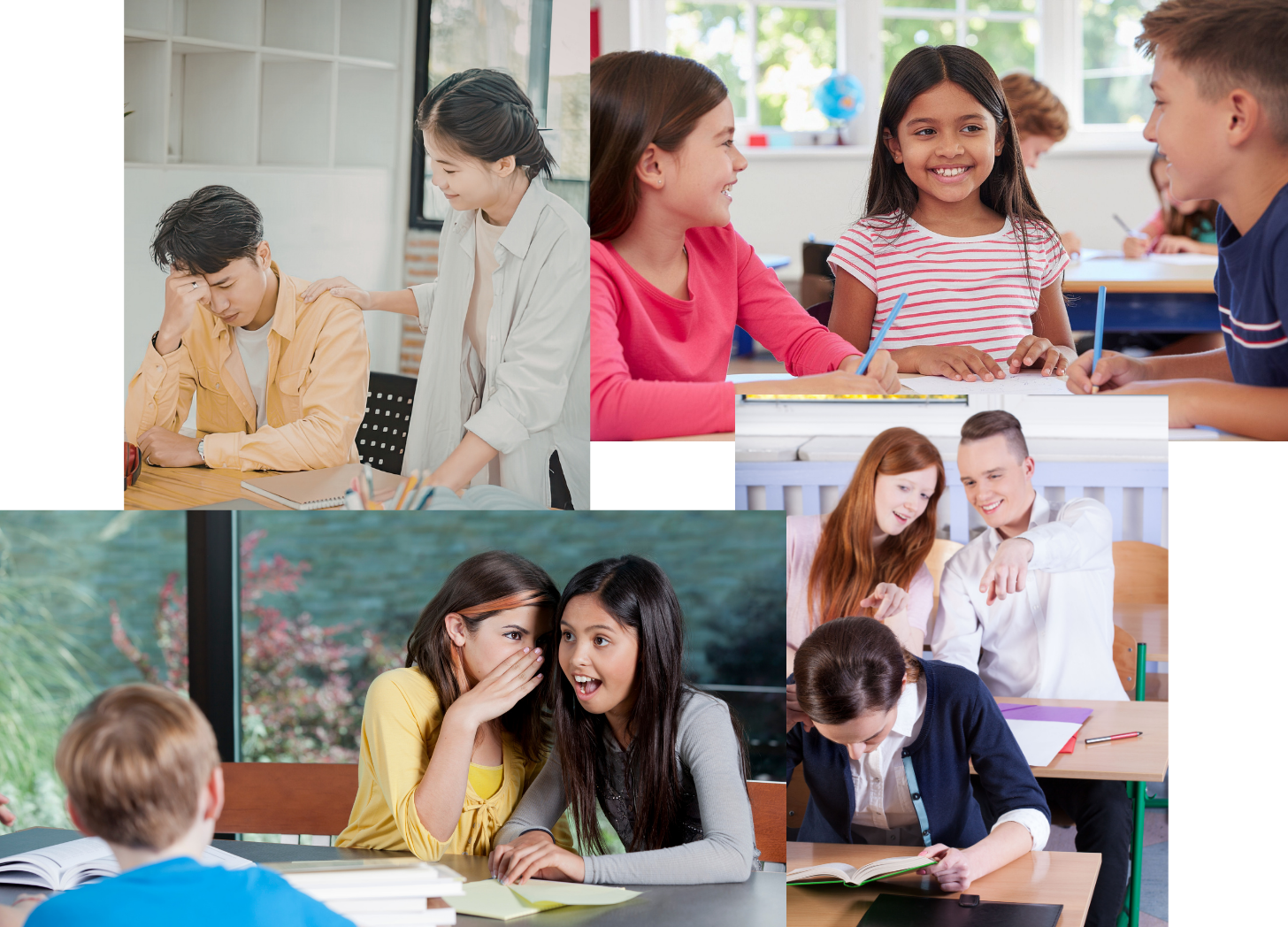
The numbers tell us where students sit, not whether they belong.
A student can spend 80% of the day in a classroom and still feel completely outside it.
Since the first federal special education law was passed in 1975, schools have built systems for planning, serving, and measuring the progress of students with disabilities. Today, teams often look at inclusion through three familiar lenses:
IDEA’s Indicator 5: The percentage of students with IEPs who spend 80% or more of their day in the general education classroom.
The interventions and supports teachers and paraprofessionals provide in that classroom.
Student achievement in the general curriculum, including grades and state test scores.
These measures matter. But they can also give us a false sense of certainty.
A percentage can tell us where a student spends the day. An intervention log can tell us what an adult provided. A test score can tell us something about academic performance. None of those things can tell use what happens when a child makes a mistake in front of 24 of their classmates.
Picture a student walking into class every morning and sitting at a desk, the same as everyone else: She joins the lesson, gets the worksheet, attends lunch, and travels to specials with the class. On paper, she is included all day. But when she answers a question incorrectly, three students smirk and another whispers something to a friend. At group time, no one chooses the chair beside her until the teacher intervenes. She is physically present in every important space, yet each small reaction quietly reminds her that she is different.
That is the gap our spreadsheets can miss.
The dangerous idea here is that placement equals belonging. Close behind it is the belief that adult support alone can create inclusion. Those assumptions are like a freshly painted door that looks welcoming but remains locked.
Presence is not the same as belonging. If peers do not accept a student, the classroom is integrated on paper but divided in practice. We must absolutely keep measuring access and achievement - but we need to measure the human experience, too. After all, a seat in the room only proves access; it is the reactions around that seat that truly reveal inclusion.
Watch what happens in the five seconds after a mistake
The truest test of classroom culture often happens before an adult says a word.
Imagine Josie reading aloud. She is moving slowly through the passage, concentrating on each sentence. Then she reaches an unfamiliar word and stops. She tries once, pauses, and tries again. For a few seconds, the whole room is quiet. The teacher is ready to help, but before she does, another student softly offers the first sound and waits. Josie tries again, gets the word, and keeps reading.
Now imagine the same moment with eye rolls, muffled laughter, or an exaggerated sigh from across the room.
Same student. Same teacher. Same instructional program. Completely different experience. We see versions of this moment every day.
Paul bravely raises his hand, then stutters while answering.
Evan becomes so excited about his favorite topic that he leaps to his feet and knocks over his chair.
Rachel is still working when the class is told to pack up for music. Without warning about the transition, she becomes overwhelmed and has a meltdown.
Simon asks, “What are we supposed to do?” seconds after the teacher finishes explaining the directions.
Beatrice waits nervously for a test to be returned. She sees A’s and B’s on neighboring papers, then lowers her head when she sees the D on hers.
Our instinct is often to watch the adult. What does the teacher say? Does the paraprofessional step in? Was the intervention appropriate?
But look around the room. Do classmates roll their eyes? Do they laugh? Do they whisper? Do they ignore what happened and move on? Do they wait for the teacher because they have learned that helping is an adult's job? OR Does someone reassure the student? Does someone quietly help?
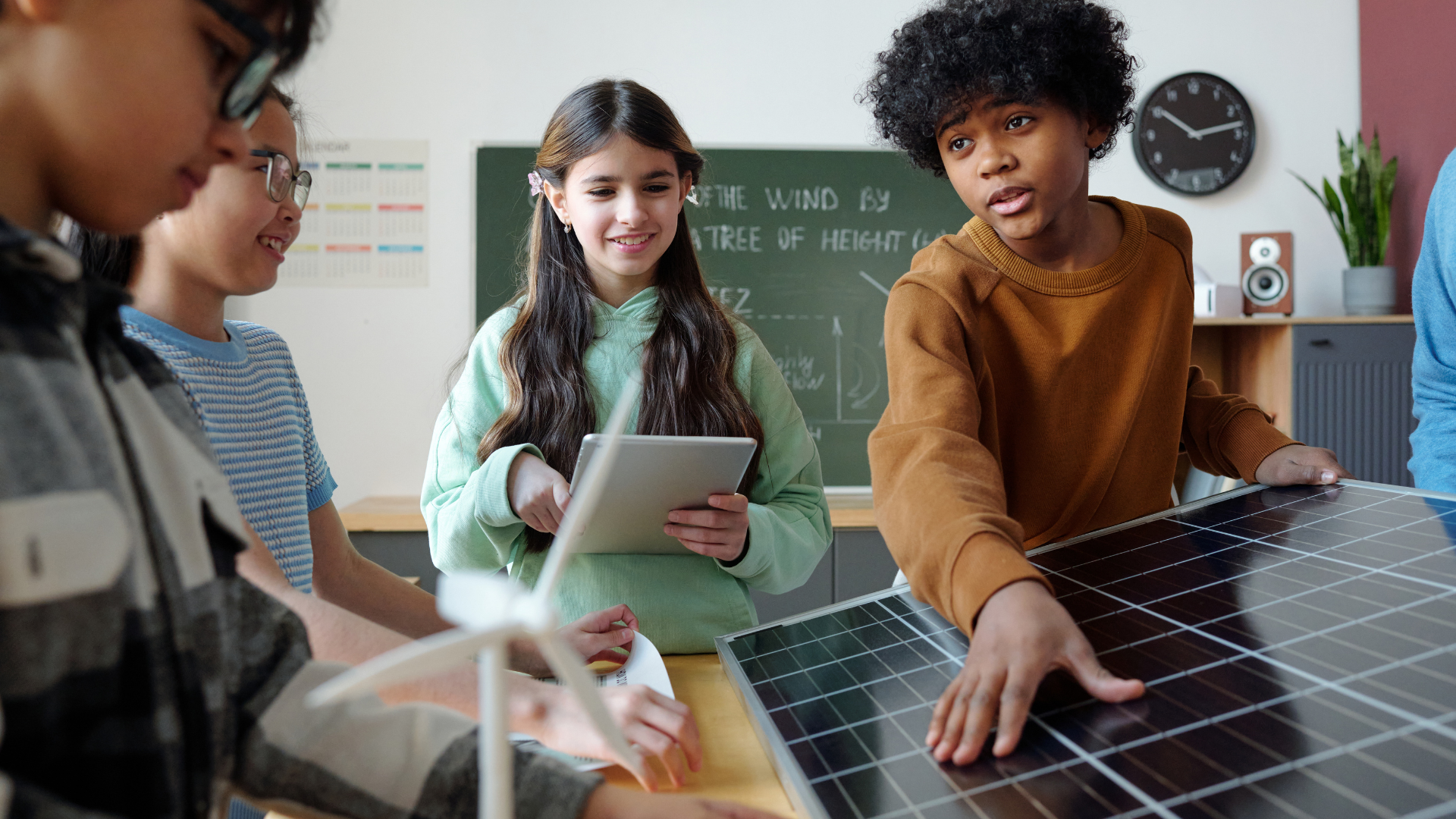
Those few seconds reveal years of hidden instruction.
Children are constantly studying what a classroom rewards, tolerates, laughs at, and protects. No teacher needs to announce, “Mistakes are embarrassing,” for children to learn it. They can learn it from every groan after a slow reader, every laugh after an unexpected behavior, and every silence when a classmate struggles.
Peer reactions are not background noise; they are evidence.
What students do when someone struggles tells us what they believe about who belongs.
That is why we need to pay attention before the adults take over.
Watch the first five seconds after vulnerability, and you will see the culture you have built.
Stay tuned for Part II: Recommendations for Building that Culture

We’ll be talking about Typical Peers tonight in our Time Travel Session.
This complimentary community roundtable is open to everyone -school leaders, educators, families, etc.
There is still time to join the conversation!