We Know What’s Broken. What Are We Building?
We can’t build better special education without a dream.
Nobody opens GPS and says, “Take me somewhere better.”
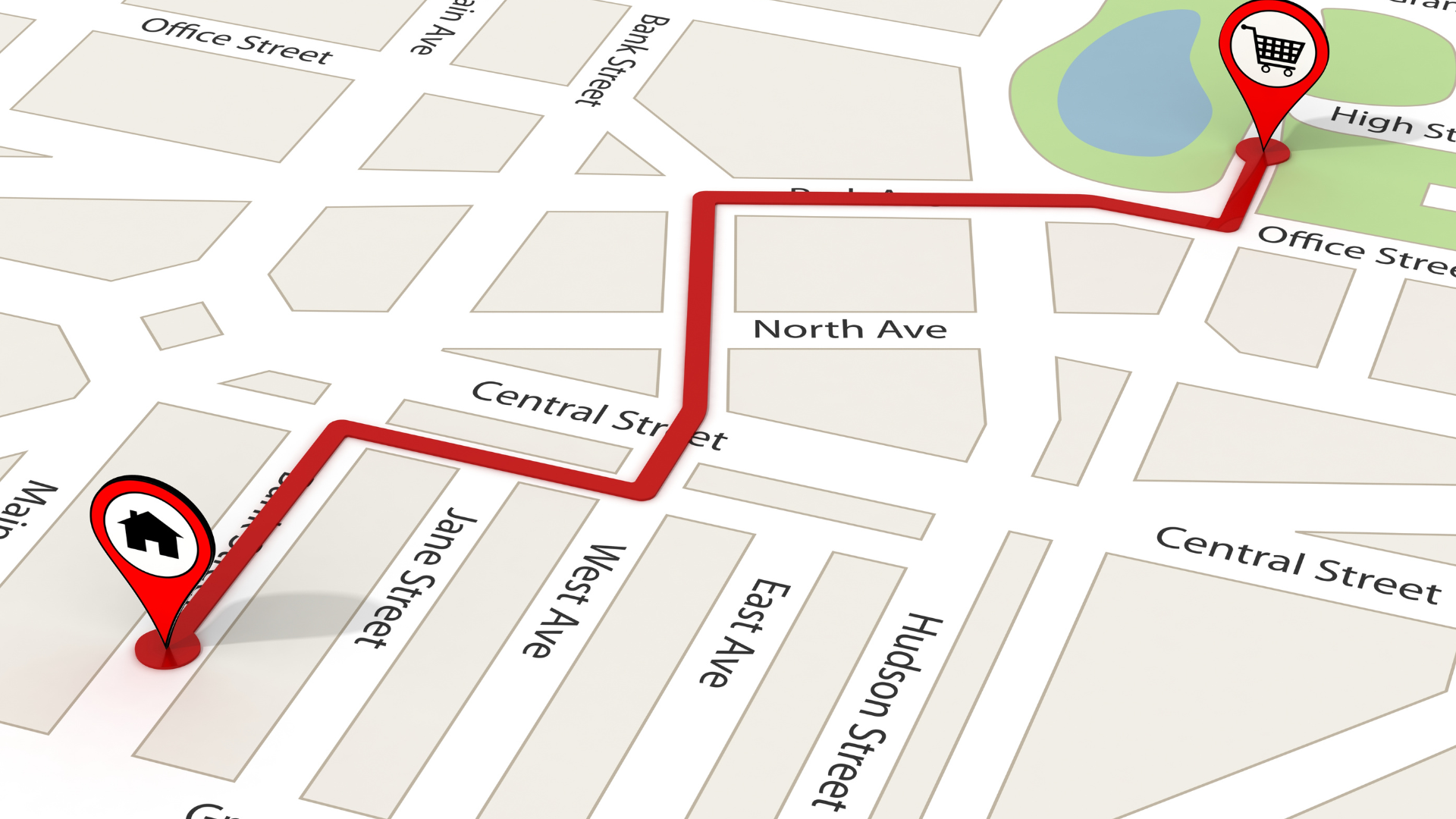
We enter a destination
Only then can the GPS calculate a route, estimate the distance, and guide us when we miss a turn.
Yet for years I have led efforts to improve special education without naming a clear destination. That is hard for me to admit because I have always cared deeply about outcomes.
When I taught a graduate course, I began with the Council for Exceptional Children’s Professional Competencies for Special Educators. The second slide in almost every interactive workshop I do lists the knowledge and skills participants will develop. My new virtual mini-courses (coming next month) all start with a clear learning purpose.
I would never ask educators to participate in a learning experience without explaining the intended outcomes. That’s what we expect in their lesson plans, right?
But special education is larger than a course or a workshop. Where are we going as a field?
A system cannot navigate toward a future it has never imagined.
Hope begins with a picture of what is possible.
Hope is not a wish we whisper when the plan falls apart. According to Hope Theory, hope is more than a feeling or a positive attitude. There’s a science behind it.
Snyder’s (1997) work describes hope as a cognitive strategy with three connected parts:
🧭 A meaningful goal
🛣️ Possible pathways toward that goal
🔥 The agency to begin moving and continue when challenges appear
That definition changed something for me.
It means hope does not begin with optimism. It begins with vision.
Before we can choose the right practices, policies, or professional learning, we need to know what we are trying to create. We need a picture vivid enough to guide decisions when old habits push back, when budgets tighten, and when staffing changes.
Hope becomes compelling when the future is specific enough to build.
A list of practices to stop is not the same as a blueprint.
Visioning may begin with naming the specifics we want to avoid. I can name many things I want to help remove from schools and systems, especially practices that isolate students, lower expectations, exhaust teachers, and reduce human beings to test scores or disability categories. I want to help educators replace ineffective routines with practices grounded in research, dignity, and real learning.
But knowing what we want to change and what we’ll do instead only takes us halfway.
Rather than describing what we will do and not do, we need a shared vision of what students, educators, and families would experience instead.
We need language for the school day we want to create. We need examples detailed enough that a teacher can recognize them, a leader can support them, and a family can ask for them. Let’s stop settling for systems that merely avoid failure.
Let’s build schools designed for human beings to thrive.
My dream is becoming a book.
I made a commitment. I signed a contract with a publisher to submit a book manuscript by January 1, 2027.
The book will describe our destination in detail: a special education system where students with disabilities are known, challenged, supported, included, and prepared for productive lives. More - how about an inclusive school community where all stakeholders experience contagious hope, the joy of valued contribution, the safety of belonging, and the thrill of collective problem solving?
My hope is that educators, leaders, families, and advocates will read it and say, “Yes. That is worth building.”
But I do not want this book to only be a collection of Amy’s ideas. No single person can imagine the whole future.
An educator may contribute what true collaboration feels like during third-period math.
A parent may contribute the difference between being invited to a meeting and being treated as an equal partner.
A student may describe belonging in one sentence more clearly than a hundred pages of policy ever could.
A principal may picture a master schedule that makes shared planning possible.
A paraeducator may imagine training that respects the complexity of their role.
A speech-language pathologist may see communication supports woven through the entire school day rather than saved for isolated sessions.
An instructional coach may contribute the conditions for empowering educators’ quest for greater effectiveness.
Each person holds part of the picture. I want the book to reflect that collective wisdom. Not one “perfect” school. Not one rigid model.
A shared vision detailed enough to help us recognize progress - and brave enough to stretch what we believe is possible.
The future of special education should be shaped by the people who live it.
Let’s visit the future together. Sometimes the clearest way forward is to imagine that we have already arrived.
Those who know me may not be surprised to learn that I researched effective ways to guide activists through future time travel. I am now proud to add “Time Travel Agent” to my professional credentials.
The idea is simple: instead of asking only what is wrong today, we step into a future where the change has already happened.
Imagine walking into a school in 2030. We look around - what do we notice?
What do you see?
How is the space arranged?
How do adults interact?
How do the learning opportunities provide access for all students?
How do learners relate and collaborate?
Who makes decisions about where support happens, how students communicate, and what adults expect from one another?
Pay attention to the details: the hallway, the classroom, the meeting table, the lunchroom, the bus ride home…
This is not a fantasy for fantasy’s sake. Specific images reveal needs that broad goals often hide. “Improve inclusion” can mean almost anything. But a clear scene - who is present, what they are doing, what support is available, and how it feels - gives us something we can examine and build toward.
When the future becomes visible, the pathway there becomes easier to see.
Join me for Special Education 2030 visioning sessions.
The dream will be stronger if we build it together.
Over the next few months, you are invited to join me for a series of Zoom Visioning Sessions on Tuesday evenings at 7:00 pm Eastern Time. You can attend one session, all of them, or join as many as you like.
During the first session on August 11th, 2026, we will explore special education as a whole system. We will return to that broad view during the final session. In the weeks between, each gathering will focus on one part of special education so we can imagine the future in greater detail.
Each 60 minute session will include:
🤝 5 minutes to welcome everyone and create a safe space
🚫 10 minutes to name what we do not want
🕰️ 10 minutes of guided time travel into a dream school in 2030
💬 30 minutes to share what you saw, heard, and felt
💛 5 minutes for final reflections and appreciation
The calls will be recorded for my own use as I write my book.
I will listen for the details that make a vision feel real: the words an educator uses, the way a meeting begins, the support available in a classroom, the feeling a student carries through the school day.
With your permission and your imagination, I will draw from these conversations to create scenarios and descriptions of our shared dream for Special Education 2030.
You do not need to arrive with polished answers - you only need to be willing to imagine.
We cannot build the school of our dreams until we dare to describe it.