Belonging is Taught Before it is Measured
Part II of “The Secret Measure of Inclusion”
A student can sit in an inclusive classroom all day and still know they don’t belong.
In my last blog, The Secret Measure of Inclusion We Rarely Track, I suggested we may be measuring inclusion in the wrong ways.
For years, we have tracked minutes. How much time does a student with a disability spend in a general education classroom? What interventions were delivered? Which adults supported the student?
Those things matter.
But there is another measure that may tell us far more about where inclusion is actually working: what do the other students do?
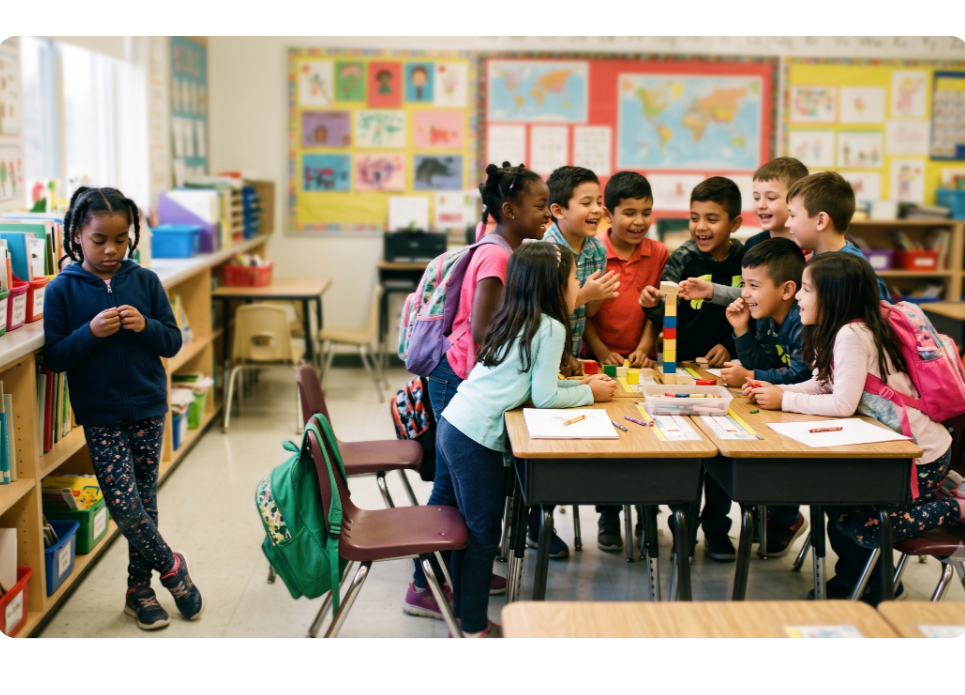
➢ Do classmates invite this student into a group?
➢ Do they listen when the student speaks?
➢ Do they laugh with them? Or at them?
➢ Do they notice when the student is standing alone?
➢ Do the expect the student to contribute during collaboration time?
This is where inclusion becomes belonging. And we know that belonging must occur before students feel safe to take learning risks.
This raises an uncomfortable question for educators:
If students are not accepting one another, what can the adults in the room do to change it?
We can do more than we think - start with these two commitments.
Commitment 1: Inventory your own beliefs.
Before students learn what belonging means, they study what teachers believe. Here’s the hard truth: every adult enters a classroom carrying a history.
We bring what we heard at our childhood dinner table, what we saw in our neighborhoods, what out schools taught us - and what they never taught us. Some beliefs are easy to recognize. Others have been sitting quietly in the back of our minds for decades.
I honestly believe none of us enter a school completely free of prejudice.
I certainly didn’t. I grew up in a segregated neighborhood. My friends and the children around me were all white. We had four international students through what we called the “foreign exchange” program. And, as I remember it, all of my teachers were white, too.
Then I went to college.
Suddenly, the world around me looked different from the one I knew. My dorm-mates came from backgrounds and cultures unfamiliar to me, and, at first, I was uncomfortable. That discomfort exposed something important: I had developed opinions about people I barely knew. As I spent time with individuals instead of categories, many of those old assumptions began to fall apart. I discovered that different experiences did not threaten mine; they widened them. I learned to enjoy the variety of perspectives that came with diversity.
Even now, I occasionally uncover a long-held belief about a group of people that surprises me. I suspect I always will.
The same was true of disability. I did not grow up associating with disabled peers. In the 1950s and 1960s, children with disabilities were separated from their peers or excluded from public education entirely.
Yet disability existed within my own family. My mother lived with physical limitations caused by childhood polio. My sister had a heart condition. I accepted those things as simply parts of who they were.
Nobody reduced them to those characteristics. Nobody said, “There goes the disabled woman.” They were my mother and my sister.
This matters because old beliefs do not politely stay outside the classroom door. They slip in with us. They can influence whom we call on, whom we protect, whom we challenge, whom we excuse, and what we quietly believe a child is capable of doing. Most teachers have heard of the Pygmalion effect and the golem effect, research findings about the self-fulfilling prophecy.
One particularly harmful idea whispers that some students must first prove they can “handle” the classroom before they deserve to belong in it.
Another says inclusion means allowing a student to occupy a seat while adults quietly lower every expectation around that student.
Those beliefs can wear very respectable clothes.
Belonging is not a reward students earn by becoming easier to teach. If we believe a child does not truly belong, the other students will eventually learn to believe it too. That is why our first work is not changing children. It is examining ourselves.
Consider:
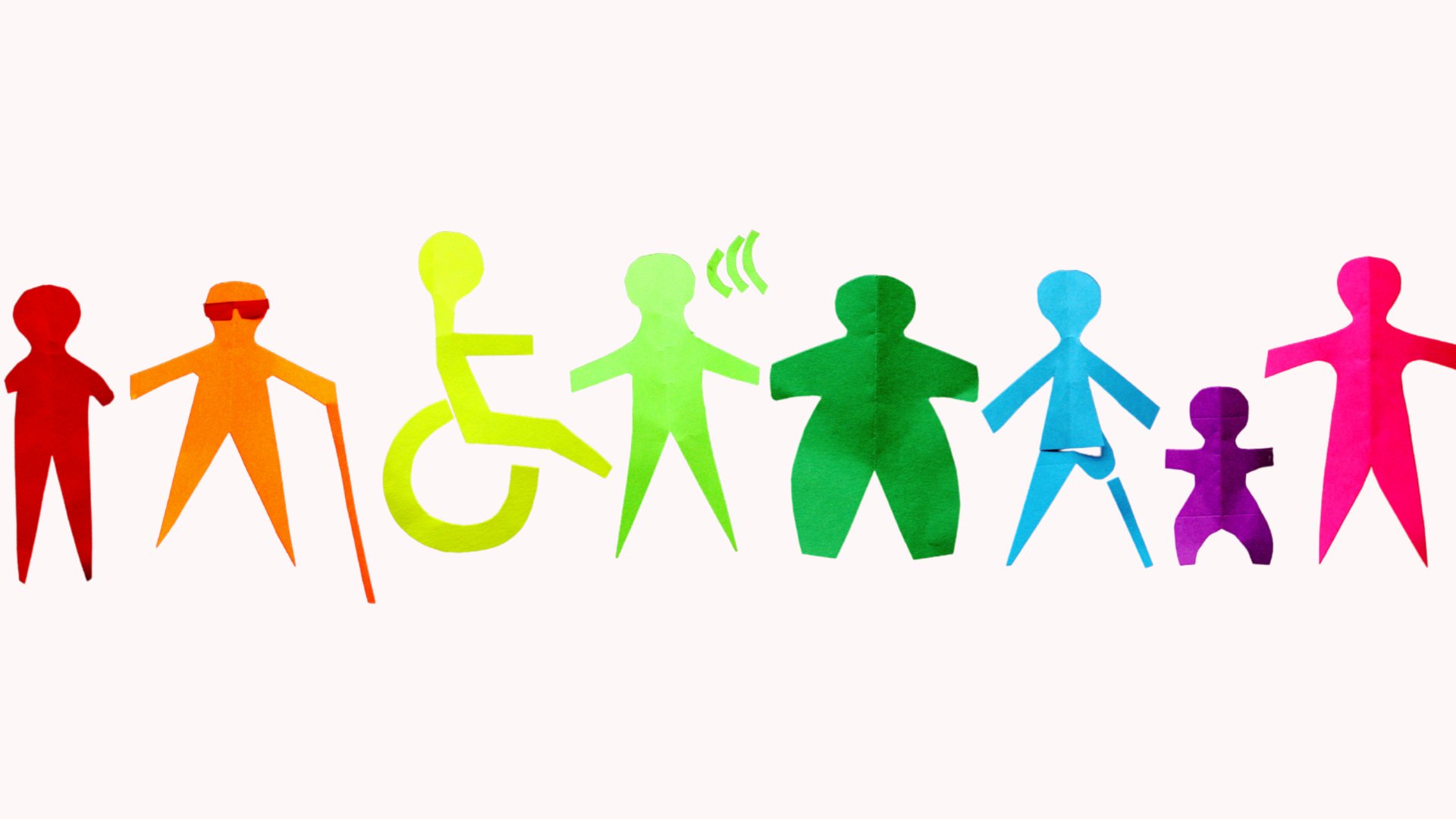
What early experiences did you have with disability or particular disabilities?
Were “those kids” included in your classes or school activities?
When did you have opportunities to interact with them, if ever and what did you conclude about that?
What historic beliefs about disability and learning differences did you inherit from influential people?
Today, do you believe ALL your students can be successful in your class?
Today, do you believe ALL students belong in your class?
These are not comfortable questions. They are necessary ones. We cannot teach children to see possibility while quietly expecting limitation.
Commitment 2: Build your belonging culture intentionally.
Your classroom culture is teaching students how to treat one another all day long. Teachers create a climate whether they intend to or not. Students quickly figure out “the way we do things here.”
Just as they learn how transitions happen, they learn who gets interrupted and who gets heard. They watch what happens when someone needs extra time, becomes frustrated, answers incorrectly, talks differently, moves differently, or misses a social cue. Soon those repeated moments become culture.
Imagine a student struggling to get words out during a class discussion.
There is a pause.
Another student shifts impatiently. Someone starts to whisper. A classmate looks toward the teacher, waiting to see what will happen next. The teacher can rush in, finish the sentence, and teach the class that speed matters more than voice. Or the teacher can remain calm, give the student time, and signal without a speech that this person’s contribution is worth waiting for.
Ten seconds can teach an entire lesson about belonging. Culture often hides in those small moments.
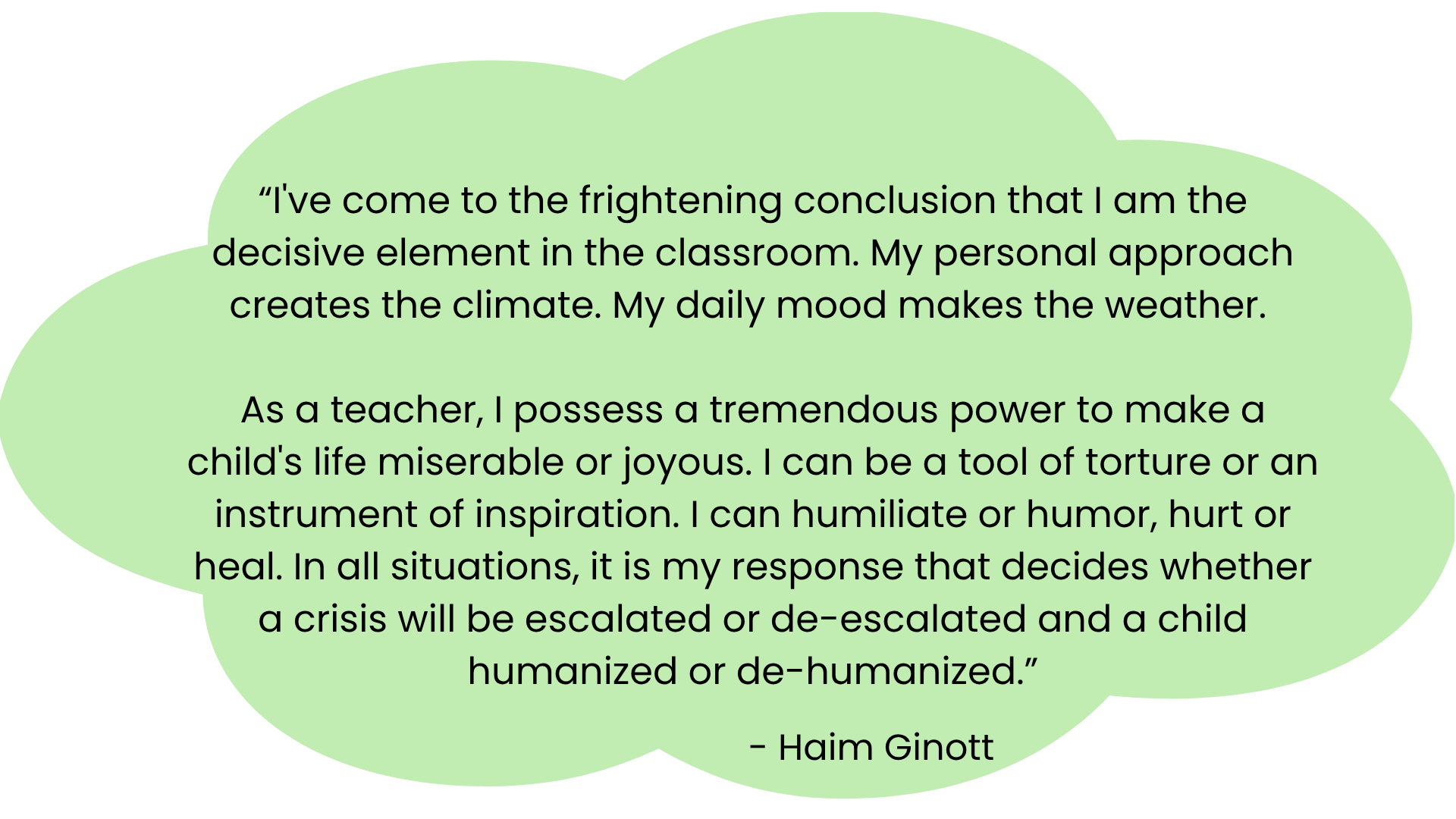
I have always loved this quotation from Haim Ginott because it captures the enormous influence adults have on what happens in a classroom:
How you normalize belonging is the secret curriculum.
Consider how the mindset you model grants permission.
Recently, I was in class, and a boy raised his hand - then hesitated. “I don’t get how to do this,” he said quietly. That moment was a test of the classroom’s climate.
His teacher smiled and said, “Thank you for sharing. Let’s explore that together. There are probably others.”
From that day, those students knew: curiosity is welcome, it’s OK to be a beginner, and differences are just different paths to understanding. If we don’t model curiosity, we model exclusion.
Most teachers think they’re fostering belonging - but belonging isn’t silent. If we believe all students belong, they’ll hear it every moment we invite their real selves to show up.
Sometimes culture grows when you’re not looking.
One day, I overheard two students whispering. One said, “Why does he get to use an iPad for tests?” The other replied, “Because we all get what we need here.” I hadn’t prompted that. It was the culture, speaking for itself.
If your classroom culture doesn’t actively embrace differences, it quietly rejects them. The norms you permit are the ones you promote. Are you promoting a culture where mistakes are stepping stones - or where they’re sources of shame? Get this right, and students build each other up when you’re not even watching.
Belonging isn’t a label - it’s a mosaic that incorporates all the pieces of our identity. You are more than a teacher. So am I - wife, grandmother, gardener, friend, researcher, learner, crafter, hiker, senior, strategist... I could keep going, but you get it.
When we reduce students to a single label, we erase their humanity. Imagine if someone called me just “the older teacher” - they’d miss the rest in me. Your students are mosaics, too. Who gets called “my autistic student?”
If a student hides part of who they are to fit in, they’ve already been excluded. Belonging means inviting every piece of them into the classroom. The moment they realize every identity they hold is welcome - well, that’s the moment belonging truly begins. You teach belonging in every reaction.
The other day, a student gave a wrong answer. The teacher didn’t say, “Wrong.” Instead, he said, “Interesting. What made you think that?” In that moment, he didn’t just teach a concept; he taught acceptance. Every response you give teaches your students how to respond to each other’s differences.
If you’ve taught them that mistakes are part of learning, you’ve taught them that differences are a source of growth. Get this wrong, and students will hide their differences. Get it right, and they’ll help each other shine.
So, what have you done to foster belonging in your classroom? Stories welcome! We can all benefit from what you share.
P.S. If you haven’t joined our Special Ed Time Travel to 2030, you’re missing the fun! It’s not too late.
We have scheduled departures for the next few weeks. Learn more and sign up below.