The Missing Link Behind Lasting Change
For a long time, we assume we're seeing everything clearly. Then something happens that makes us realize how much we've been missing.
I know that feeling well.
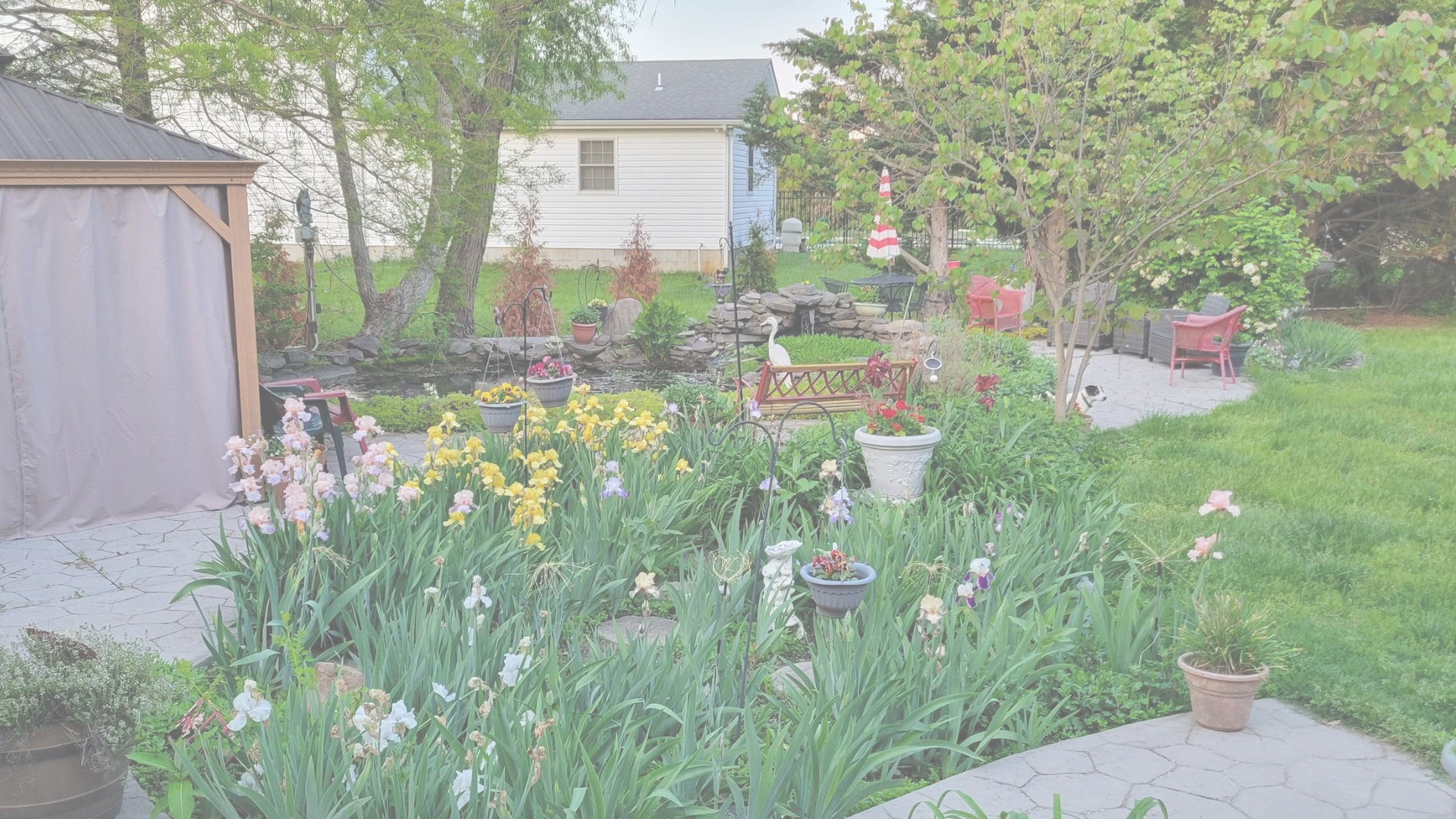
The day after my cataract surgery,
the world looked completely different.
After my surgery, I stepped into my garden and stopped in my tracks. The colors seemed brighter. The edges of every leaf looked sharper. Flowers I had walked past hundreds of times revealed details I had never noticed before. I could tell the difference between robins, catbirds, and mockingbirds without waiting to hear their songs.
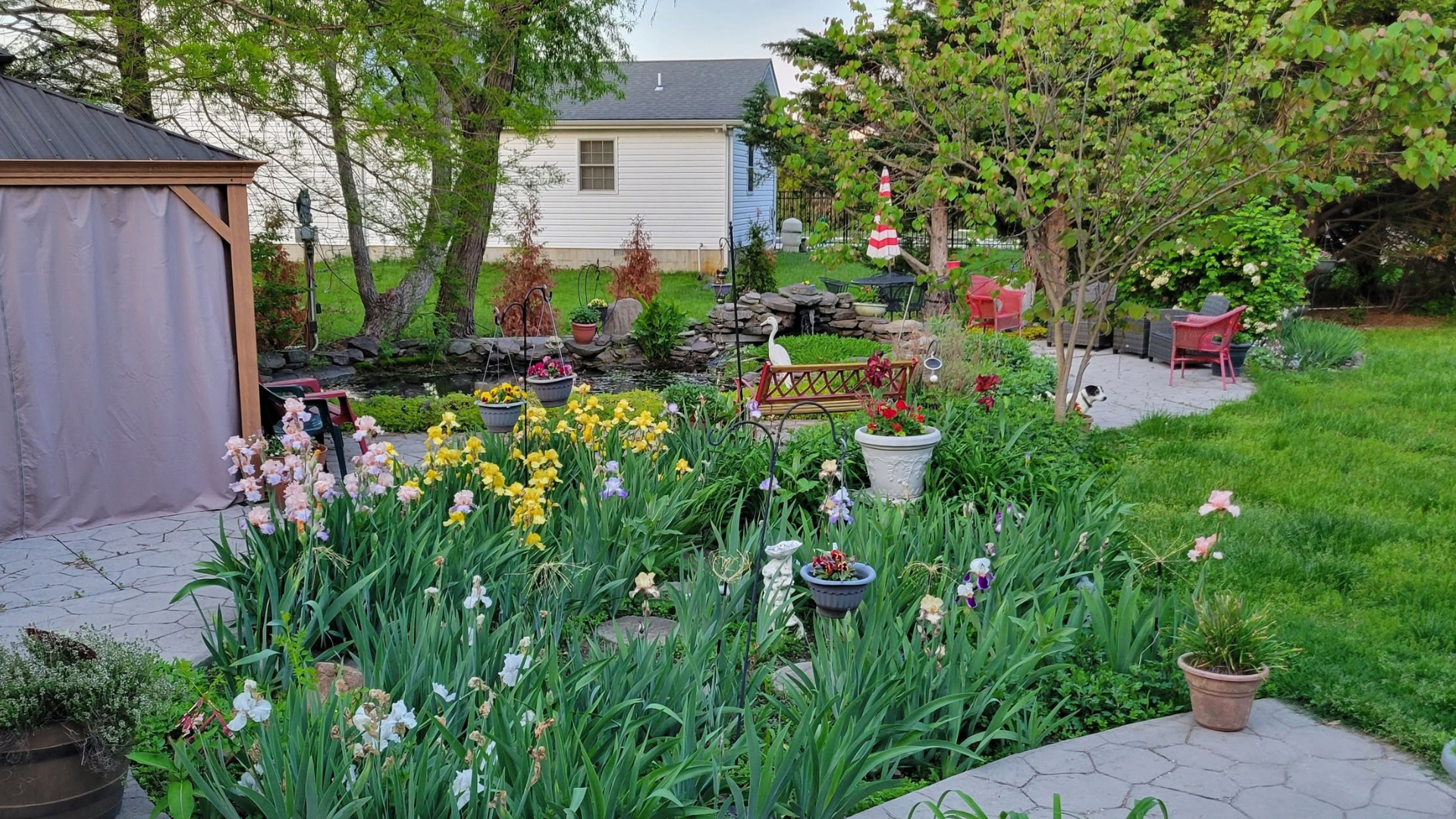
Nothing in the garden had changed.
I had.
And last week I experienced that same awakening again.
The most powerful breakthroughs don’t give you new answers - they give you new eyes.
For years, I've wrestled with a frustrating puzzle.
We conduct engaging professional development sessions filled with evidence-based strategies and practical tools. Participants leave energized. The evaluations are glowing.
Yet only a handful consistently implement what they've learned.
We provide on-site coaching and help teachers identify barriers, generate solutions, and create action plans. They tell us the sessions are valuable.
Yet only some follow through.
We facilitate strategic planning with school leaders. They develop thoughtful inclusion plans and share enthusiastic testimonials.
Yet only a few bring those plans fully to life.
If you’ve worked in education, this probably sounds familiar.
⭐ You can inspire people.
⭐ You can equip people.
⭐ You can support people.
And still, meaningful change doesn’t always happen.
What are we missing?
That question has lingered in the background of nearly every conversation my team has had. Why is our approach working for some and not all? How can we adjust so that our clients have a greater impact?
Information isn’t the problem.
Tools aren’t the problem.
Good intentions aren’t the problem.
Some invisible force seems to stand between knowing and doing.
Most improvement efforts fail not because people lack knowledge, but because something deeper never gets activated.
Sometimes a single idea rearranges an entire model.
Last week, I attended the Delaware Policy & Practice Institute, where school leaders gather to learn, connect, and exchange ideas. I had the opportunity to co-facilitate a session with Casey Montigney, an amazing Instructional Coach in Christina School District, DE, focused on the importance of connection in building inclusive school communities.
The conversations were rich.
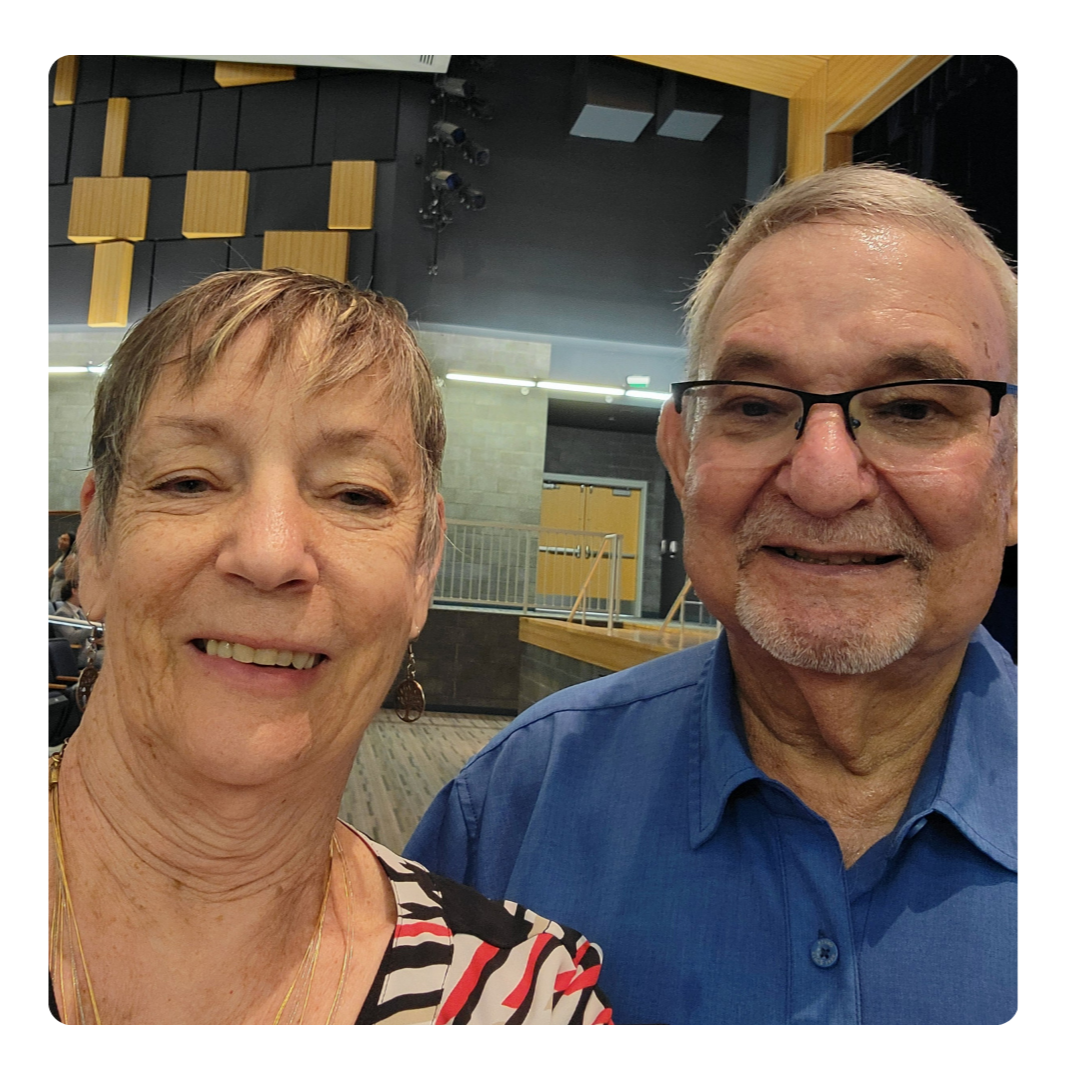
But it was the keynote address by Rick Miller that stayed with me.
Rick Miller shared research on what he calls the Science of Hope. At first glance, hope sounds soft. Almost sentimental. Many of us have been taught to think of hope as a feeling - something you either have or don’t have.
But research tells a different story.
Hope is a cognitive strategy.
Hope can be taught.
Hope can be measured.
And suddenly… years of unanswered questions started connecting.
I walked out of that session like I had just had cataract surgery all over again.
I had new eyes for my work.
The old story whispers that motivation should be enough. It tells us that if people truly care, they'll automatically act. That story has been misleading educators, leaders, and organizations for decades.
People don't move forward simply because they know what to do.
People move forward when they believe a path exists and that they can travel it.
That's a very different challenge.
The ideas that change us most often arrive disguised as simple observations.
A single word can change an entire future.
During his presentation, Rick asked a question that I haven’t been able to stop thinking about since:
Do we think of students as “at risk” or “at hope”?
The difference may seem subtle. It isn't.
When we focus exclusively on risk, our attention naturally gravitates toward problems, deficits, and limitations. We begin scanning for what is broken. And we lower our expectations because we can predict based on the past.
Hope invites us to look somewhere else.
It asks us to identify possibilities that don’t exist. It encourages us to search for pathways. It reminds us that growth is still available.
Rick shared research describing three mental components of hope and emphasized an important truth: educators must employ hope if they expect to cultivate it in students.
That idea stayed with me long after the session ended.
Imagine a student facing repeated setbacks:
💭 One voice quietly tells them, "This is who you are."
💭 Another voice says, "This is where you are right now."
The first closes doors. The second opens them.
We often underestimate how powerfully our beliefs shape our actions. Get the belief wrong and effort fades. Get the belief right and possibilities multiply.
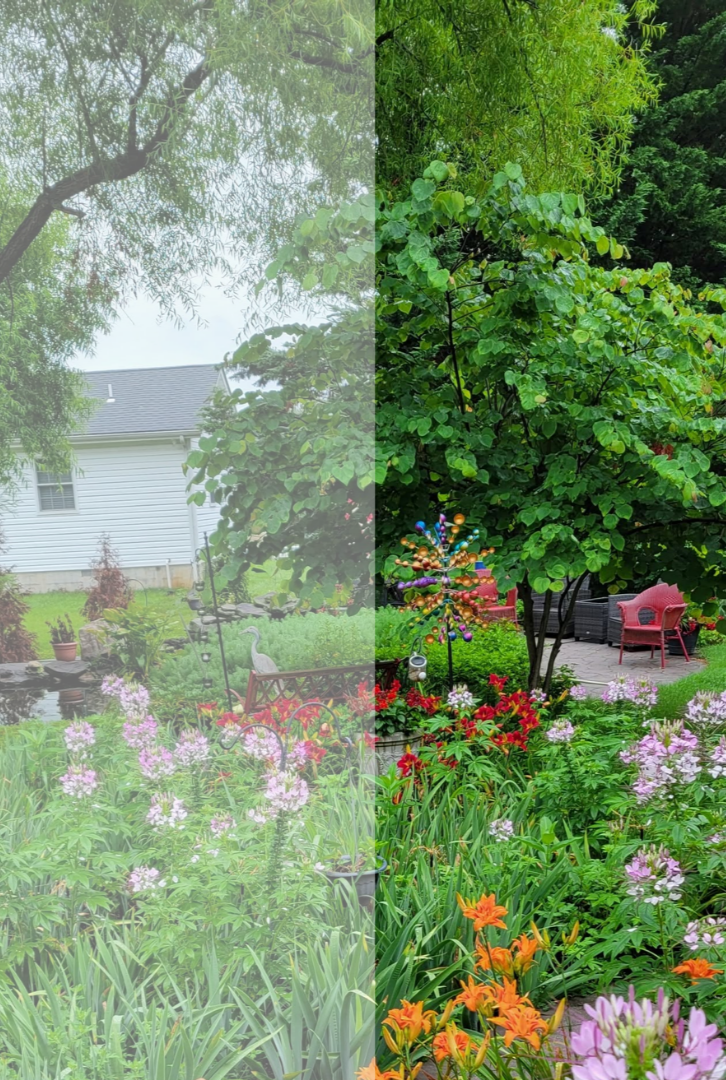
Some ideas refuse to leave once they've taken root.
Just like walking into my garden after cataract surgery, I walked out of that keynote seeing things differently.
The world hadn't changed.
But my perspective had.
Since then, I've immersed myself in research on the science of hope. As I read, I kept noticing connections to ideas that already influence our work at Joyful Inclusion. I saw links to Carol Dweck's research on growth mindset. I saw links to the Universal Design for Learning guidelines. I saw links to our Joyful Inclusion approach.
And the more connections I noticed, the more one possibility kept surfacing.
What if hope is the missing link?
✨ What if hope explains why some educators implement new practices while others don't?
✨ What if hope explains why some leaders pursue ambitious goals while others stall?
✨ What if hope helps explain why some students persist through obstacles while others disengage?
✨What if hope sits at the center of everything we're trying to build?
The loudest barriers to change rarely announce themselves. They often appear as quiet assumptions, hidden doubts, and invisible limits. Like fog settling over a road, they make progress seem impossible even when the path is right in front of us.
Hope doesn't remove obstacles. Hope helps people see a way through them.
Most transformation begins the moment someone believes progress is possible.
Some discoveries arrive as conclusions. Others arrive as invitations.
For me, this feels like an invitation.
Over the next few weeks, I'll continue exploring the science of hope and its implications for educators, school leaders, and inclusive communities.
I'm especially interested in how these ideas might strengthen our Joyful Educator Mini-Courses and deepen the work we do with schools.
I don't have all the answers yet. But I do have a new lens. And sometimes that's where meaningful change begins.
The world may look different when we learn to see it through hope.