The Most Influential Leaders Often Feel the Most Alone
Margaret was doing everything right.
If you lead special education, you may know that feeling.
You spend your days advocating, problem-solving, coaching, and putting out fires. You carry the hopes of families, the needs of students, and the concerns of teachers. Then you walk into a leadership meeting and realize you’re still fighting to be heard.
I know because I keep hearing the same story.
Not from one leader - from too many.
And then, one conversation made it impossible for me to ignore.
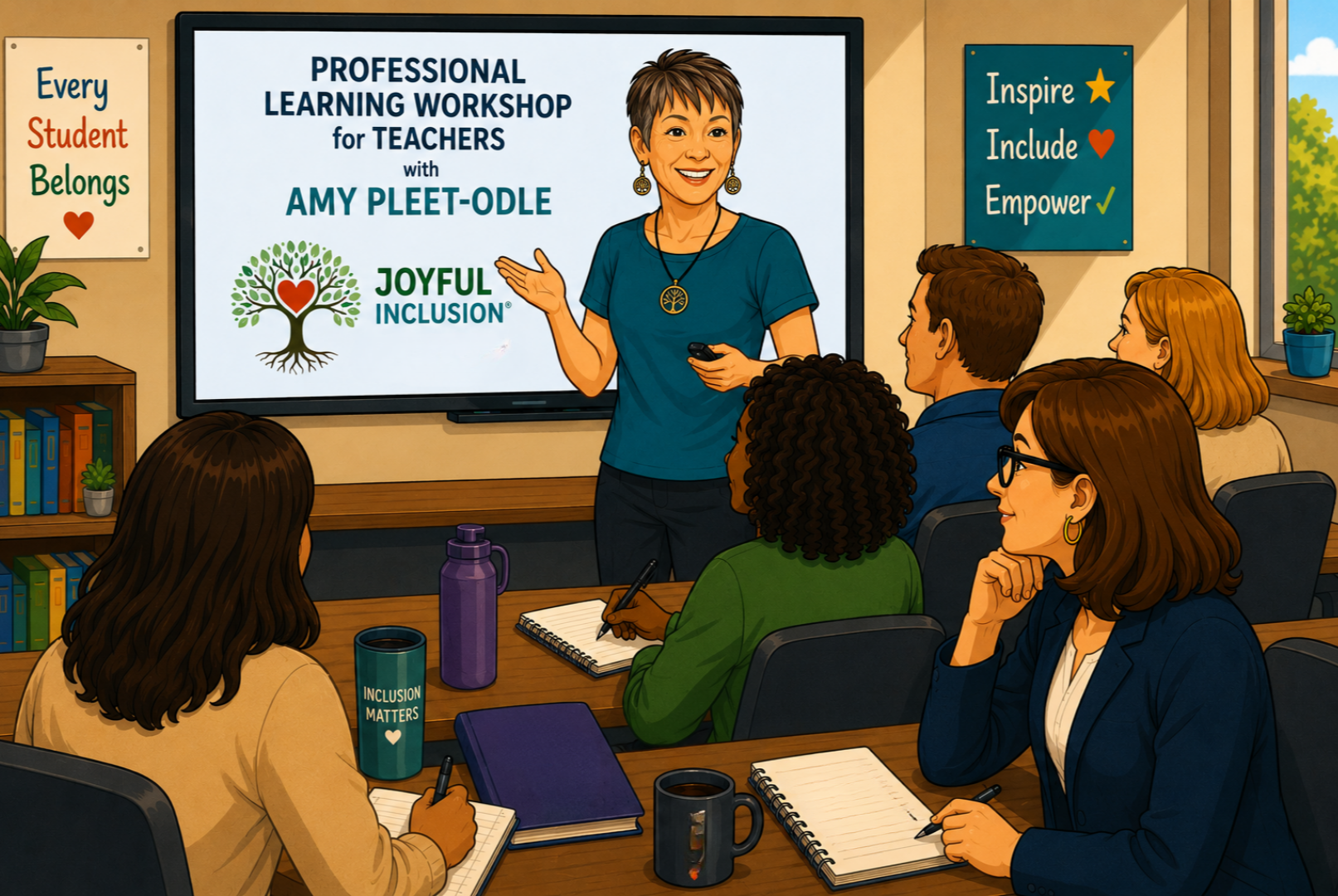
Margaret was frustrated.
A Special Education Director, she had recently invited me into her district to facilitate a full-day professional learning workshop.
The day went well. Teachers were engaged. The conversations were thoughtful. Even more surprising, the end-of-year feedback was overwhelmingly positive.
If you’ve ever led professional development in May or June, you know that is no small feat.
Teachers commented that they appreciated seeing co-teaching strategies modeled in real time. They practiced flexible grouping with colleagues throughout the day. Several shared that they planned to use ongoing formative assessment to regroup students in the fall.
There was energy. Momentum. Possibility.
A few days later, Margaret brought that excitement into a district leadership team meeting.
She shared what teachers had learned. She explained that flexible grouping doesn’t just help students with disabilities - it would help all students.
Then she proposed something simple:
Why not build on this work district-wide?
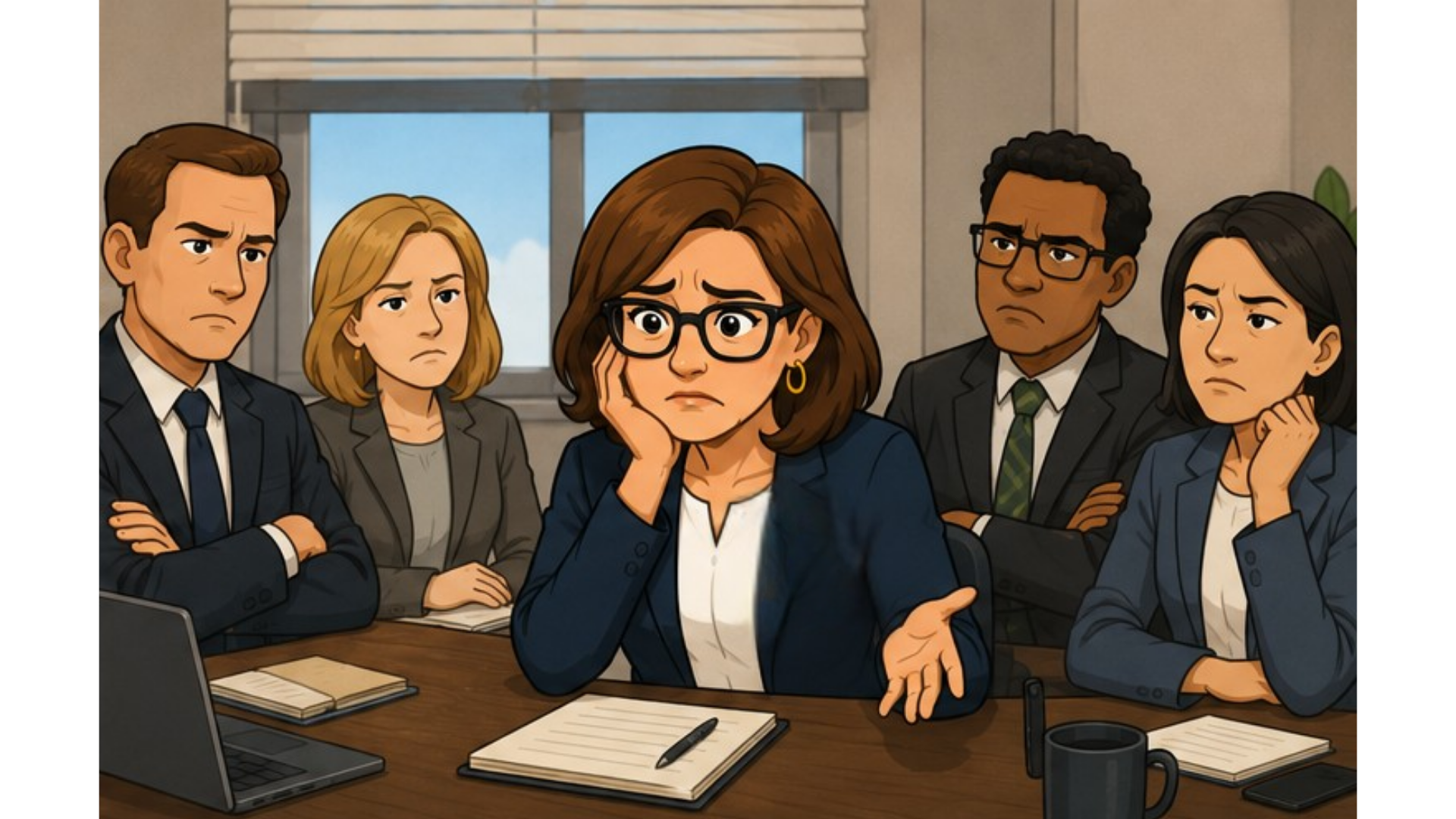
The response stopped her cold.
"We have seasoned teachers who are doing fine for most kids."
"Our data shows students with IEPs are falling further behind."
"Why don't you work with the special educators to do a better job?"
In a matter of minutes, the conversation shifted from shared responsibility back to special education ownership.
The old story had walked back into the room.
And once again, Margaret found herself standing alone.
The hardest part of leadership isn’t the work - it’s carrying the work alone.
Most special educator leaders aren’t struggling because they don’t care enough.
They’re struggling because they care deeply.
They see opportunities others don’t see.
They notice patterns across classrooms, schools, and systems.
They understand that when students with disabilities thrive, all students benefit.
They recognize that inclusion isn’t a special education initiative. It’s a school improvement strategy.
Yet many spend their days trapped between competing priorities.
Families need answers.
District Leaders want results.
State requirements keep coming.
And somewhere in the middle sits the special education director trying to influence a system that often treats inclusion as someone else's responsibility.
That’s exhausting.
What’s even more exhausting is the advice that often follows:
"Create another checklist."
"Analyze your data."
"Look for root causes.
As if influence comes from one more data report. As if another presentation will suddenly change years of entrenched thinking.
Those ideas sound helpful, but they often become productivity treadmills that keep leaders running without moving.
The leaders creating real change aren't working harder. They're learning how to build influence.
Systems rarely change because someone had better data.
Systems change because people begin seeing a different future together.
The difference matters.
And most special education leaders were never taught how to do that.
Influence is the bridge between vision and action.
That conversation with Margaret stayed with me.
Not because it was unusual.
Because it wasn’t.
Over the months that followed, I found myself thinking about other directors I’d worked with.
Leaders who were passionate. Leaders who were capable. Leaders who had incredible ideas… but felt isolated inside their own districts.
I pictured them sitting in meetings, hearing the same objections.
Trying to move inclusion forward. Trying to create alignment. Trying to help people see what was possible.
Too often they’re doing it alone.
One scene kept replaying in my mind:
A director leaves a meeting carrying pages of notes. The initiative she hoped to launch has stalled - again. She closes her office door, takes a deep breath, and stares at a whiteboard filled with plans she still believes in.
The vision isn’t the problem. The isolation is.
No leader should have to carry system change alone.
And that’s when the idea became clear to me.
Instead of helping one leader at a time, what if we created a space where these leaders could learn, think, and problem-solve together?
What if they had a circle of colleagues who immediately understood the challenges they faced?
What if they could stop explaining themselves and start building momentum?
Sometimes the solution isn’t more expertise… it’s finding your people.
The Champions Mastermind was created for leaders like Margaret
Leaders who are ready to move beyond compliance and create meaningful systems change. Leaders who want to strengthen their influence, align stakeholders, build professional capacity, and improve outcomes for students with exceptional needs.
This isn’t another professional development series. It’s a community.
A confidential space where leaders can think strategically, tackle difficult challenges, and learn alongside others who understand the realities of the work.
Participants engage in collaborative problem solving, coaching, and practical leadership conversations focused on creating lasting change.
They gain tools. They gain strategies. But, perhaps most importantly, they gain a network.
A group of fellow leaders who understand what it feels like to sit in that meeting, hear those comments, and still choose to keep moving forward.
Because isolation is a terrible leadership strategy. Connection changes everything.
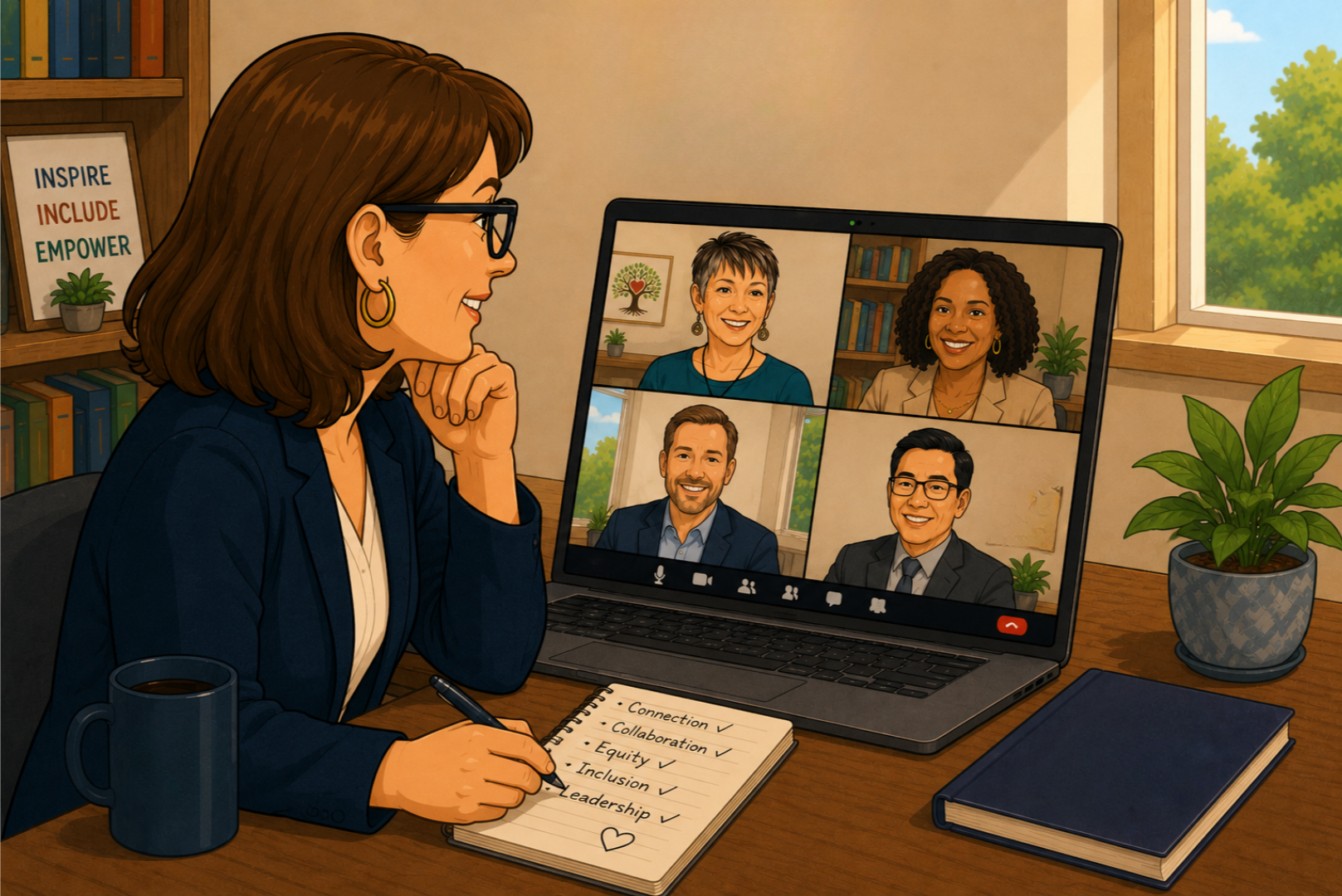
The future of inclusion won’t be built by isolated leaders.
It will be built by connected ones.
The leaders who create lasting change are rarely the loudest voices in the room. They’re the ones who learn how to:
Build alliances
Influence thinking
Navigate resistance
Keep moving when progress feels slow
Those are exactly the kinds of leadership skills we focus on inside the Champions Mastermind.
If you’ve ever walked out of a meeting feeling unheard…
If you’ve ever carried a vision that others couldn’t yet see…
If you’ve ever wondered whether anyone truly understands the challenges you’re facing…
Champions Mastermind was created for you.
The wait list for the Fall 2026 Cohort of Champions Mastermind is now open.
Click below to learn more and join the wait list to get the announcements when registration opens.
Because the work is hard enough.
You shouldn’t have to do it alone.