Time Travel Souvenirs
What I brought home from my time travel to 2030
Sometimes the clearest way to see the future is to visit it first.
Every Tuesday evening for the last two months, I’ve led a group of educators on a time travel adventure over Zoom. When this article posts, we’ll have two trips left.
At the end of a long Tuesday, I sometimes log on wondering how much energy I have left. Then we leave today’s problems behind for a few minutes and travel together to 2030.
People return describing schools that do not yet exist. What students are doing. How teachers feel. What families experience. And somehow, by the end of the call, I have more energy than when I started.
Here’s what I’m bringing home from the future.
Hope changed the way I think about change.
Sometimes one new idea reorganizes decades of old ones.
In June, I heard Rick Miller speak about Kids at Hope and the Science of Hope. Since then, I’ve immersed myself in Hope Theory and its applications in education, health care, and juvenile justice.
The more I learned, the more I saw two gaps in my own Joyful Inclusion work. For decades, I’ve helped schools improve systems and practices. We’ve provided strategies, tools, coaching, and clear steps.
And we’ve seen many educators make meaningful changes. But others attended every workshop, participated fully, and then changed very little. For years, my team asked why.
Hope Science gave me a new answer.
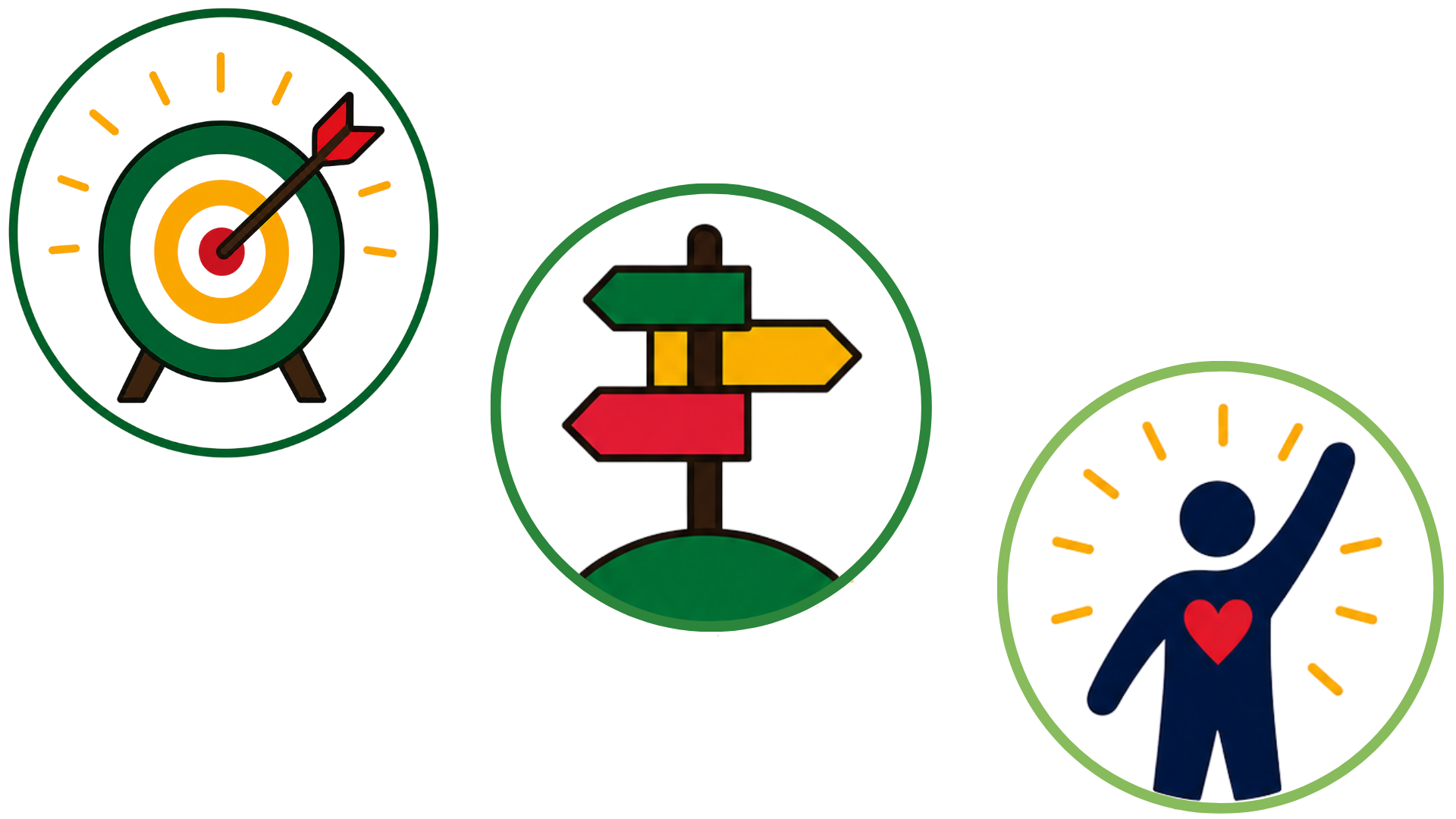
Hope involves three things:
A vision of a future that does not yet exist.
A pathway for reaching it.
And the agency to begin and keep going.
We had spent years building pathways. What we had not done enough was help people create a future they truly wanted to move toward.
Information is not the same thing as transformation.
A good pathway means little if no one feels ownership of the destination.
That realization changed my thinking. Maybe our work is not to hand educators our vision. Maybe it is to help them imagine their own.
So we started traveling to 2030
Before we can build a different school, we have to be able to see one. Each Tuesday, we ask:
If we achieved our dream of a fully inclusive school community,
what would it look like, sound like, and feel like?
One week, we travel through the eyes of a teacher, the next a school leader. Another, a student with a disability. Then a peer learning beside that student.
Afterward, travelers share what they noticed. Someone describes a teacher who feels supported instead of isolated. Someone imagines a child being known first for their gifts rather than their needs. Someone describes families entering school as partners.
One idea opens the door to another. The future slowly becomes less like fog and more like a place. All these “travel souvenirs” are being gathered into a framework I’ll share in 2027.
But two lessons already stand out.
Souvenir #1: Possibility gives us energy
Problems can take over our mindspace if we let them. Education gives us plenty to worry about: burnout, staffing, behavior, achievement, budgets, competing demands. Those problems are real.
But when problems become the only thing we see, our work turns into an endless exercise in fixing what is wrong.
Cynicism whispers, “We’ve tried this before.”
Scarcity says, “There isn’t enough.”
“Realism” steps in too early and asks us to lower our expectations.
We need more than problems worth solving. We need a future worth building. Hope does not ignore obstacles. It gives us a reason to face them.
I see this shift almost every Tuesday. I arrive tired. Then someone imagines something better. People lean forward. Voices brighten. The conversation changes. And so does my energy.
I think we humans need a destination worth building. So maybe we should stop giving all our imagination to the problems.
Souvenir #2: Our imagination muscles are weak
Children enter imaginary worlds almost effortlessly. Adults often need help.
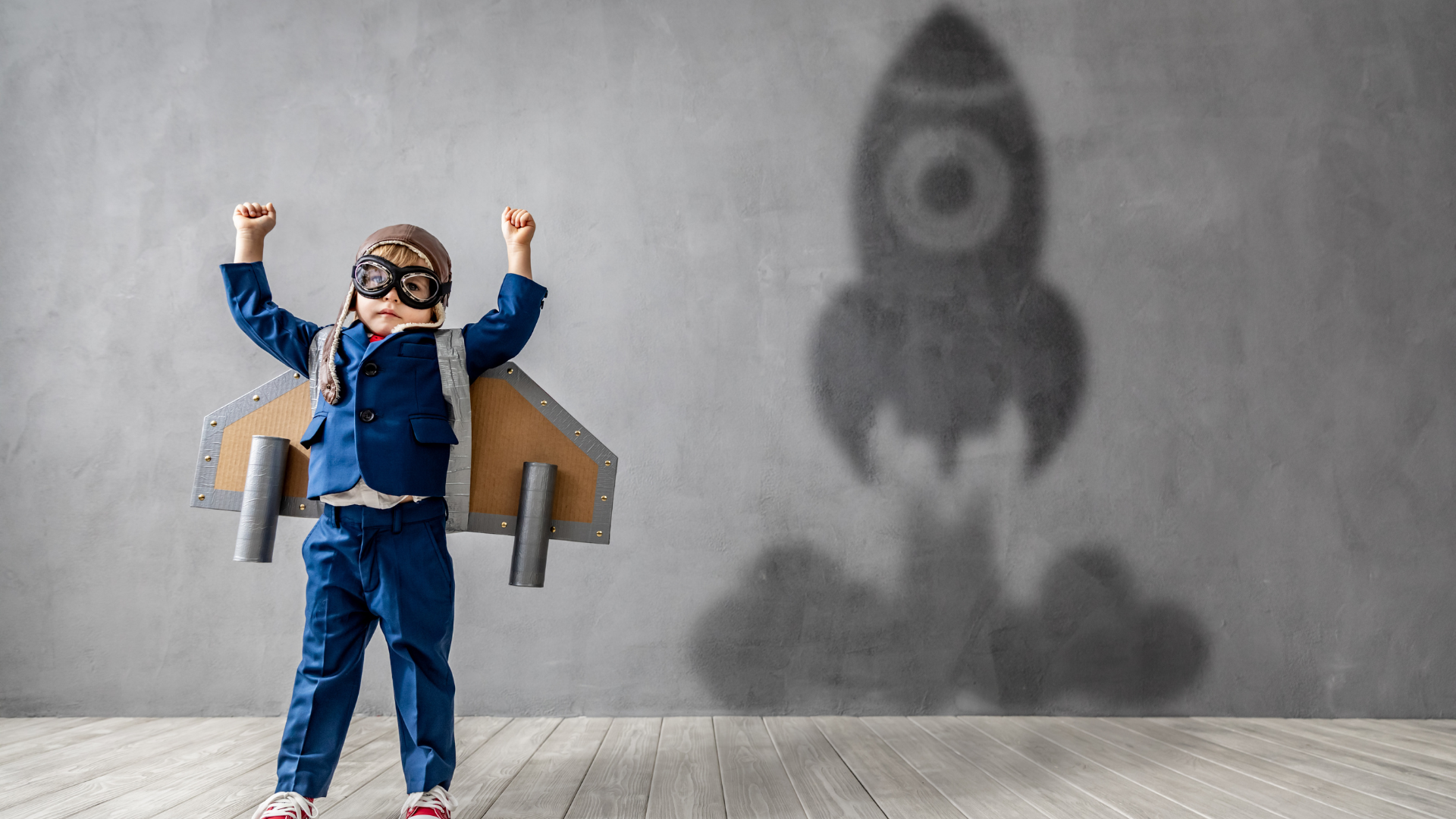
I see it in my four-year-old grandson. His monster trucks, dinosaurs, and blocks become entire worlds. There are crashes, rescues, rules, sound effects, and stories I can barely follow.
And still, he knows the difference between imagination and reality. “Mimi, my dinosaur isn’t real,” he once told me.
Of course he knows. That’s the point. He can know something is not real yet and still enter the possibility completely. Adults struggle more.
During our Time Travel Adventures, someone will sometimes say, “I couldn’t imagine the future, so I pictured one teacher I knew.” Or one student. Or one school. We reach backward because reaching forward feels harder. I don’t think we have lost our imaginations. I think we have stopped exercising them.
Reality becomes the stern teacher in the room, interrupting every new idea: That wouldn’t work. We don’t have the staff. The schedule won’t allow it.
Those constraints may matter later. But imagination needs a few minutes before reality gets the microphone.

We cannot create what we refuse to imagine.
Being realistic too early can become a way of protecting the present.
Imagination is not fantasy. It is where change begins.
Maybe this is the first work of inclusion.
Every better future exists in imagination before it exists anywhere else.
Most of us came into education because we wanted something more than meetings, paperwork, schedules, and scores. We believed schools could expand what was possible. That children could belong. That learning could open doors. That communities could become more humane.
But years inside a system can shrink the horizon. We become experts at describing the school we already have. What if we became just as skilled at imagining the school we want to build?
A school where everyone belongs.
⮚ Where students stretch through learning.
⮚ Where disability does not remove someone from community.
⮚ Where teachers have support and agency.
⮚ Where families are true partners.
⮚ Where everyone contributes.
Imagining that future will not make it appear. We still need pathways. We still need agency. We still need persistence.
But perhaps we have rushed past the first step. We have to see it.
So I’ll leave you with the question I keep carrying home from 2030:
What does the better world you are helping build actually look like?
Describe the destination. Invite someone else into it. Then start moving toward it. Because the future becomes easier to build once we can finally see it.
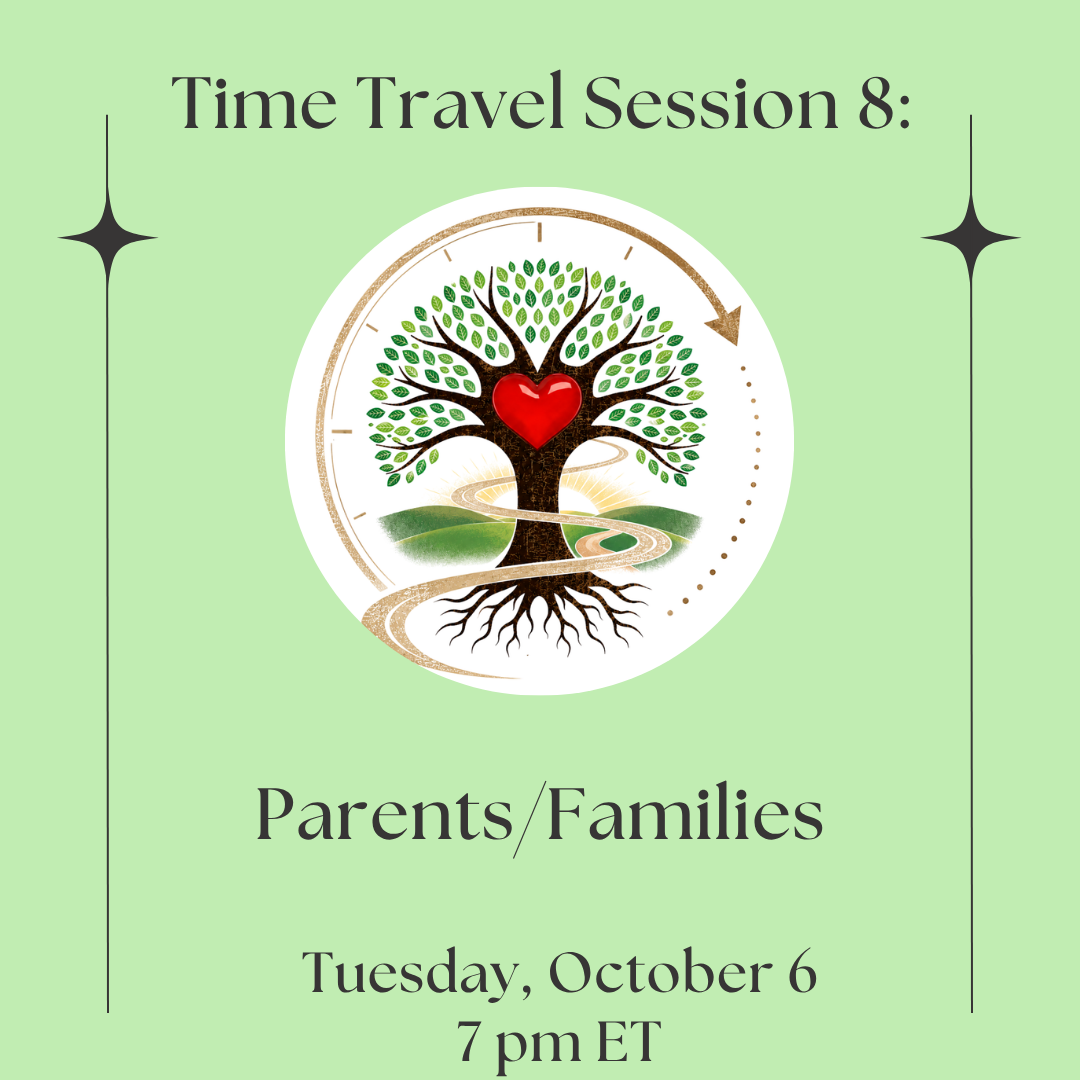
Join us for our final Time Travel Sessions on October 6th and 13th at 7 pm Eastern:
Parents/Families - October 6th
Community Experiences - October 13th