We’ve Been Asking Kids the Wrong Question
What if one of the most familiar questions we ask children quietly shrinks their future?
“What do you want to be when you grow up?”
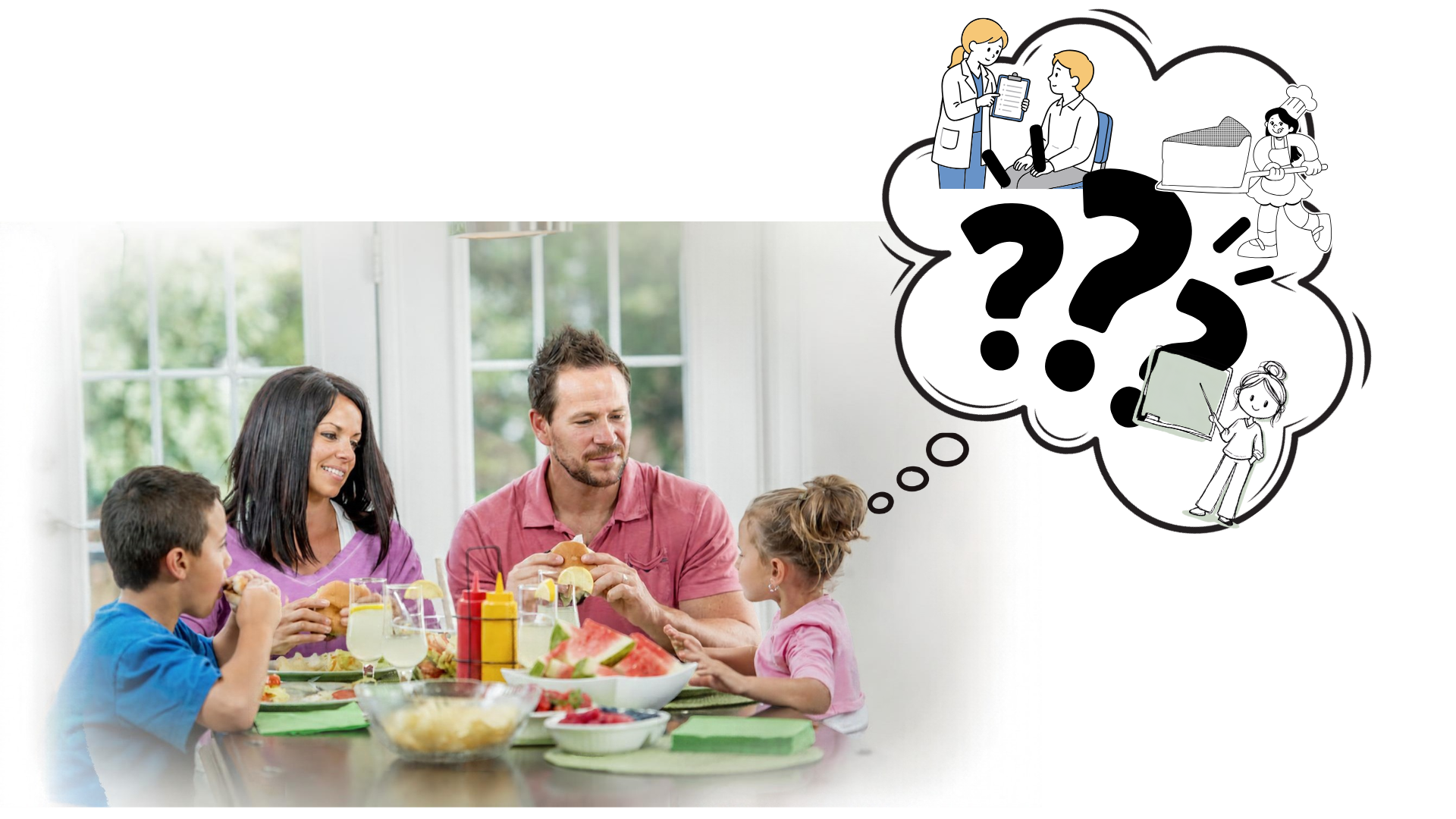
We ask it at dinner tables. We build Career Days around it. We put it on worksheets, bulletin boards, and in graduation speeches.
Adults asked me that question when I was a little girl nearly eight decades ago.
I’ve asked it, too. And until recently, I never questioned it. Then I attended the Kid’s At Hope Master’s Institute. And now? I think the question is far too small.
Because a child is not a future job title.
A meaningful life includes work, yes, but it also includes relationships, belonging, joy, purpose, contribution, curiosity, and community. So why do we keep asking children to squeeze their entire future into a profession?
Maybe the problem isn’t that children aren’t dreaming big enough. Maybe we’re asking them to dream too small.
A job is not a life. We have confused career planning with future planning. Ask a child what she wants to be, and she may say, “a veterinarian.” Great. But now ask more:
🏡Where does she hope to live?
👥Who does she want around her?
📚What does she want to learn?
🤲How will she contribute to her community?
☺️What will she do for joy?
Suddenly the conversation changes. “Veterinarian” is no longer the dream. It is one piece of a much bigger life. The career-only question acts like a shrinking machine. Feed a whole human future into it, and out pops a job title.
Teacher. Engineer. Doctor. Mechanic. Artist. All important. All incomplete.
Children are not résumés under construction. A profession should be part of the picture, not the frame around it.
This is what Kids at Hope helped me see. And once I saw it, I couldn’t unsee it. Ask a child only what they want to do, and you may miss who they hope to become.
Kids at Hope asks a much bigger question.
Hope gets real when children can picture a future worth moving toward.
The Kids at Hope movement began in the late 1990s, founded by Rick Miller. Rick translated the science of hope into practical work with children and youth in schools, community organizations, and juvenile justice settings. The result became the Kids at Hope Framework.
One detail Rick shared with me stuck. He chose not to copyright the framework because he wanted people to use it, adapt it, and carry it into places he could never personally reach. That matters. Because this isn’t an idea meant to sit on a shelf. It is meant to spread.
I’ve already begun embedding it into my Joyful Inclusion Hope Framework and connecting it with the evidence-based strategies I’ve developed through my special education systems-change work. And the heart of it is deceptively simple:
Children need adults who help them imagine a future.
Not a vague “you can do anything” future. A future they can picture. A future with destinations. A future with pathways. A future that feels possible.
Hope without a picture stays abstract; hope with a path can change behavior.
What if we stopped asking children for one answer and gave them four directions?
Kids at Hope invites children and youth to dream across four areas of life.
🏡The first is home and family. Who will you live with? Where? What kind of relationships do you hope to have? What do you want home to feel like?
📚The second is education and career. What do you want to keep learning? What skills do you want to build? How will you support yourself? What impact might your work have?
🤲The third is community and service. Where will you belong? How will you contribute? What gifts will you use to help others?
☺️The fourth is hobbies and recreation. What will you do just because it brings you joy? How will you create, play, rest, move, explore, and express yourself?
Now compare that with: “What do you want to be?”
One question asks for a label. The other invites a life.
Imagine a student who says she wants to be an engineer. Fine. But perhaps she also wants to live close to her sister. Coach a robotics club. Travel. Learn guitar. Raise children. Volunteer in her community. Spend weekends outside. Now we are talking about a future.
The old career-only mindset wants to turn childhood into an early résumé-building exercise. It whispers, Choose something useful. Choose something impressive. Choose quickly.
That mindset is not harmless. It teaches children to measure adulthood by productivity. A child’s future should not be reduced to how they will earn a paycheck. We should be helping young people design lives, not just select occupations.
The idea became much harder to dismiss when I saw it in a school.
On the final day of the conference, we visited a K–8 school that has been a Kids at Hope school for 20 years. Twenty. Years.
My first thought was: “How am I just learning about this now?”
This is a 100% Title I school. Every student qualifies for free or reduced-price lunch. As we toured the building, students were our guides. Not passive examples. Not props in an adult presentation. They were the presenters.
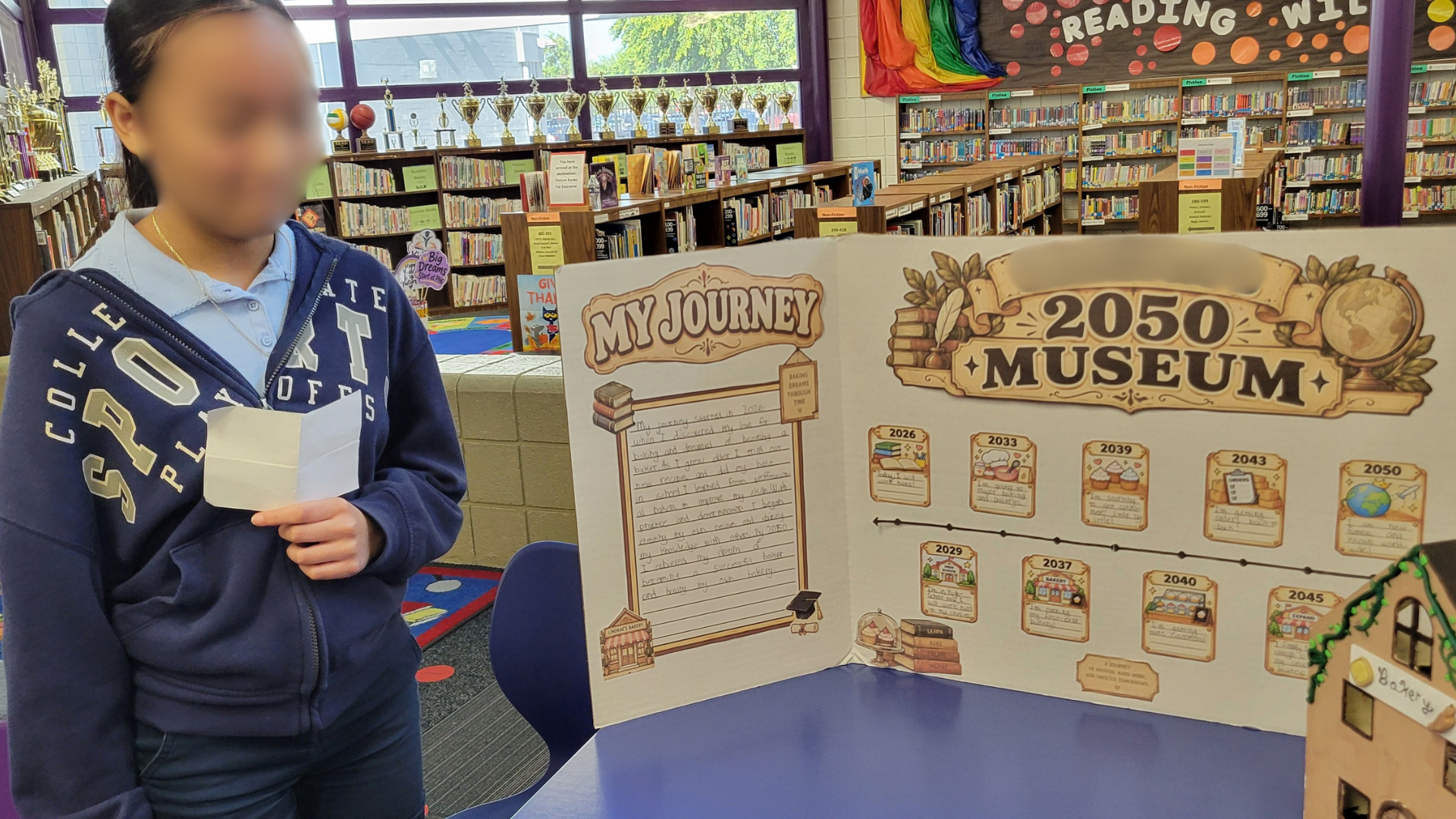
In the library, students showed us dioramas representing their dreams for the future.
Their displays included careers. But they also included the milestones required to reach those goals and the impact they hoped to have on their communities.
That distinction matters. They were not simply naming destinations. They were learning to see pathways.
A child can say, “I want to be a doctor.” But what happens next? What classes matter? What habits matter? Who can help? What obstacles may appear? What steps come first?
Too often, adults celebrate the dream and leave children alone with the distance between here and there.
Kids at Hope refuses to stop at applause.
Dreams become powerful when children can see the road beneath them.
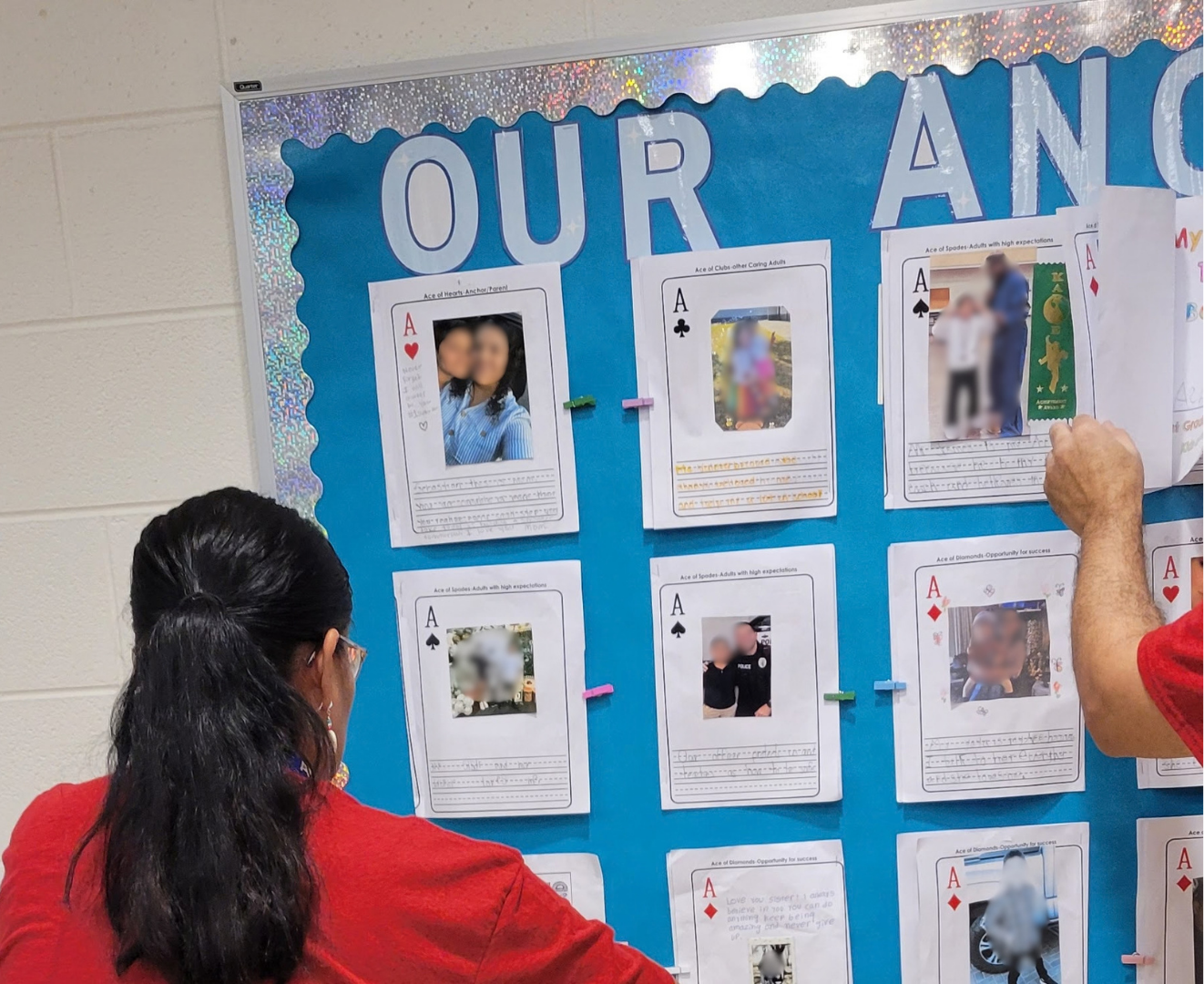
Every child needs an adult who sees treasure.
Children dream differently when someone credible believes the dream is possible.
In the cafeteria, we saw student displays of their adult ACES - the adults who believe in them and help them dream bigger. I’ll write more about ACES in another post because the concept deserves more space.
But the basic idea hit me hard. Every child needs adults who are deliberately looking for what is strong in them. Kids at Hope calls these adults “treasure hunters.”
I love that phrase because too many of our systems operate like defect detectors. Who is behind? What is broken? What score is too low? What behavior is inconvenient? What skill is missing?
That way of seeing children can become a pair of glasses adults forget they are wearing. Soon, all they can see is deficit.
And children notice. They begin to see themselves through the same lens.
Children are not a collection of problems to be managed. They are humans with strengths waiting to be uncovered.
Picture a student who has spent years hearing about what he does poorly. He struggles to read. He gets sent out of class. His grades are low. Adults talk about interventions, behavior plans, and missing skills.
Then one adult notices that he can take apart a broken bicycle and put it back together. Another notices that younger children trust him. Someone else sees that he can explain mechanical ideas with remarkable patience.
Suddenly the conversation changes. Not because the challenges disappear. Because the child is no longer defined by them. That is what a treasure hunter does. They look for evidence of possibility.
Sometimes a child borrows an adult’s belief until they can build their own.
“No exceptions” is the part we are most tempted to weaken. It is easy to believe in children who make believing easy.
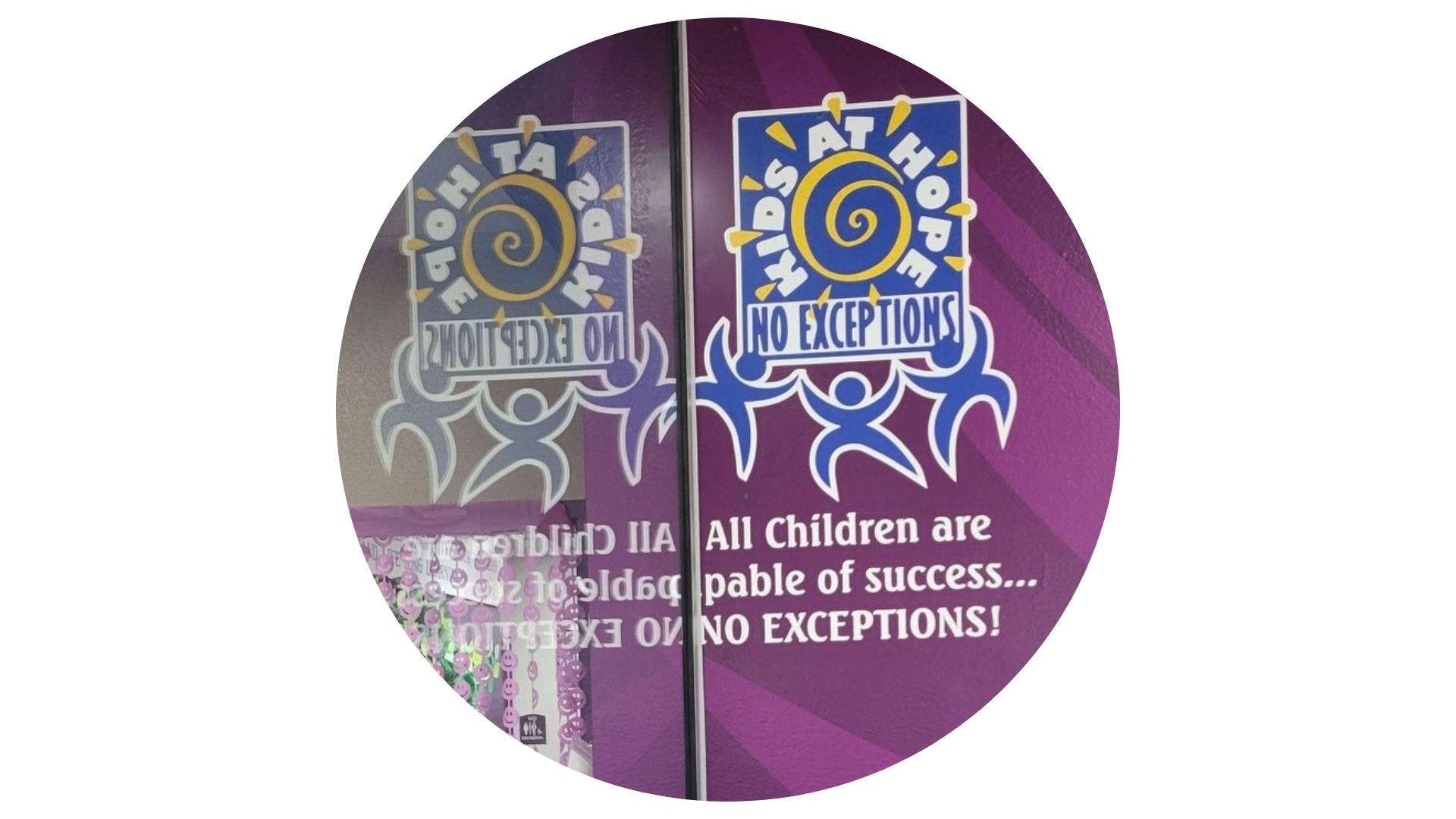
The Kids at Hope movement is grounded in this belief:
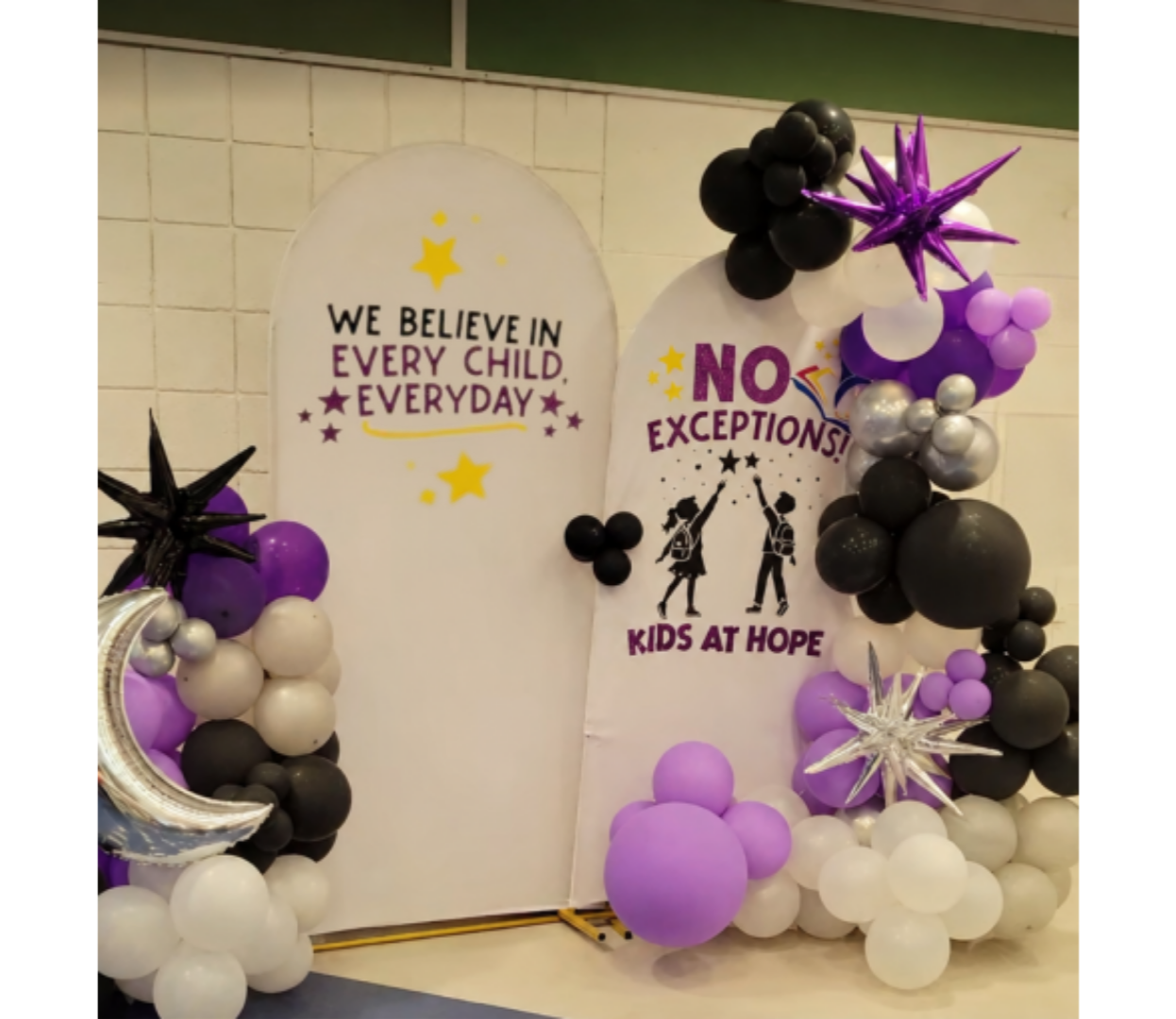
We believe every child is capable of success -no exceptions.
Those last two words are the whole thing. No exceptions. Not every child with strong grades. Not every child with stable parents. Not every child who follows directions. Not every child whose talents arrive in forms schools easily reward.
Every child.
That includes children receiving special education services. Children living in poverty. Children who have experienced trauma. Children who have repeatedly failed. Youth in the juvenile justice system.
This is where nice language gets tested. Because “every child can succeed” sounds inspiring until a child is angry, disengaged, behind, disruptive, or difficult to reach.
Then pessimism walks into the room wearing a name tag that says realism. It says:
“Let’s be practical.”
“Some kids just aren’t motivated.”
“You can only do so much.”
Those beliefs are dangerous because they sound reasonable. Low expectations are still low expectations, even when we call them “realistic”.
A child should not have to perform potential before adults agree to see it. Imagine a young person in the juvenile justice system whose story is mostly told through mistakes. Charges. Incidents. Consequences. Risk factors. A file full of everything that has gone wrong.
Then an adult says: Let’s talk about your future and set aside your past for a moment. We need you to have a big dream. We are going to help you work toward it. The world needs what you can uniquely contribute.
That does not erase accountability. It restores possibility. And possibility can change direction.
Hope means refusing to let a child’s worst chapter become the title of their whole story.
We need a better question, because one question can either narrow a future or open it.
So I’m done being satisfied with: “What do you want to be when you grow up?” I’m not saying careers don’t matter.
They do. I was a Special Education Transition Coordinator - I talked about future careers a lot. I’m saying they are not enough.
Instead, what if we asked:
💭 What kind of life do you want to build?
👥 Who do you hope will be part of it?
📖 What do you want to learn?
🤲 How will you contribute?
☺️ What will bring you joy?
🌱 What kind of person do you hope to become?
And then:
🤝 Who will help you get there?
That last question may be the most important of all.
Because if we invite children to dream and then leave them alone with the dream, we have not created hope. We have created distance.
A child needs a dream. A pathway. And people who believe in them. Otherwise “dream big” becomes another nice slogan hanging on a school wall.
Do not ask children to imagine a mountain and then deny them a map.
So here are the questions I can’t stop thinking about:
What is lost when we ask only about a future job?
What becomes possible when children imagine four destinations instead of one?
What is your school doing to help students build a picture of a hopeful future?
And who are the treasure hunters making sure every child has someone in their corner?
Kids at Hope has been doing this work for decades. Which leaves me with one uncomfortable question:
Why hasn’t this idea spread further?
I don’t know. But I do know we do not need permission to begin. We can change the question. We can widen the dream. We can become treasure hunters. We can help children see more than a job waiting for them in adulthood. We can help them see a life.
Stop asking children what they want to be. Start helping them imagine who they could become.